03
Oct
25
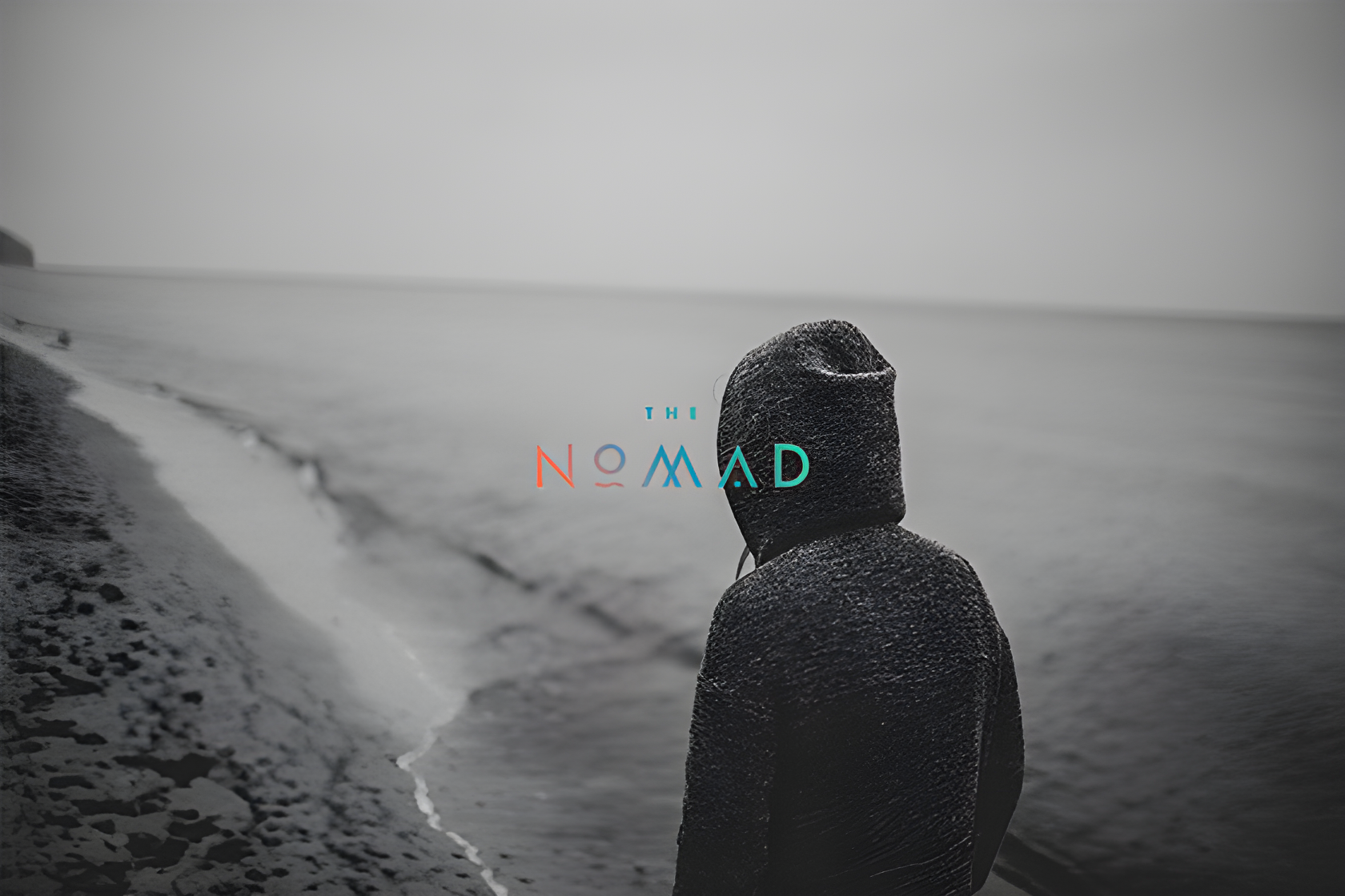
Nomad Branding is not just about a design trend—it’s a mindset. It’s the reflection of a world where people no longer need to belong to one place to have an identity. Designers, freelancers, and startups move freely between countries, projects, and time zones, yet still maintain a consistent visual language that defines who they are. This is the core of Nomad Branding: identity through movement, not through geography.
In essence, Nomad Branding values fluidity over formality. It’s the aesthetic of impermanence, where visual consistency becomes the only anchor in a shifting environment. The colors tend to be muted, the logos adaptive, and the typography clear and resilient. The design must look equally natural on a café window in Lisbon or a portfolio site hosted in the cloud.
Every era has its symbols, and in 2025, they’re all about motion and independence. Designers use modular shapes, gradients that fade like sunsets, and flexible grids that suggest travel, flexibility, and growth. The brand is no longer a static mark—it’s a living system that changes as its owner moves through life.


For example, one of my freelance clients—a digital artist who travels full-time—wanted a logo that could “breathe.” We designed an emblem that slightly shifts in tone depending on context, sometimes digital, sometimes print, sometimes projected. It feels alive, adaptive, and never fixed. That’s the visual DNA of Nomad Branding: evolution without loss of authenticity.
The modern designer works in a borderless environment. Cloud storage, remote teams, AI-driven tools, and global collaboration platforms make it possible to build and manage brands from anywhere. In this world, a brand’s consistency relies on digital frameworks, not office walls. A well-crafted system ensures coherence, but also leaves room for cultural adaptability.

Nomad Branding celebrates this adaptability. It’s not about removing personality; it’s about designing for flexibility. For instance, an e-commerce brand can modify its visual accents slightly for Tokyo, Berlin, or Buenos Aires—without losing its essence. This approach allows design to mirror life: open, dynamic, and interconnected.
One of the challenges of Nomad Branding is maintaining emotional depth within minimalist frameworks. The danger is that visual reduction becomes emptiness. The key lies in subtle emotional cues—textures, lighting, motion, or even micro-interactions on a website that evoke a sense of journey. When done well, minimalism doesn’t erase feeling—it amplifies it through restraint.


I’ve seen this approach succeed in small-scale projects: portfolio sites, pop-up brand identities, and creative collectives. Their visual simplicity hides a deeper layer of storytelling—rooted in curiosity and discovery. That balance between restraint and personality defines Nomad Branding as a discipline of intentional design rather than aesthetic randomness.
Perhaps the real reason Nomad Branding resonates with me is its honesty. It doesn’t pretend to be stable or permanent. It reflects how people actually live today—constantly adapting, reinventing, and exploring. For designers, that means crafting brands that can move, stretch, and rebuild themselves without losing clarity. The future of design isn’t about monuments—it’s about mobility.
A brand that can move is a brand that can survive.
As someone who works from different studios, cafés, and sometimes hotel lobbies, I find comfort in that philosophy. My own portfolio has changed layouts several times over the years, but its spirit remains the same. That’s Nomad Branding in practice: evolving design that never loses its voice.
To apply this philosophy, start by questioning permanence. Ask yourself: does this brand need to live forever, or just long enough to serve its purpose? Create design systems that can scale up or down—logos that adapt to different backgrounds, color schemes that adjust to environments, and typography that reads well on any screen size. Build flexibility into the DNA of the brand.
Most importantly, focus on authenticity. The best Nomad Brands don’t chase trends—they reflect truth. Whether you’re building a visual identity for a traveling musician, a remote startup, or your own creative practice, remember that a nomadic design is one that grows with experience, not against it.