08
Oct
25
By 2025, the competition between Samsung and Apple has evolved far beyond a simple race to sell devices. What began as a focus on smartphone sales has morphed into a multifront war encompassing marketing extravaganzas, patent litigation, and technological one-upmanship. Both companies have spent decades building brand loyalty and ecosystems that are almost inseparable from daily life, creating a situation where even a minor product update can trigger global attention. In this environment, market dominance is measured not only in units shipped but also in consumer mindshare, software ecosystems, and media narratives. The rivalry has become a case study in how modern tech giants battle across multiple dimensions simultaneously, constantly redefining the meaning of success.
Evan Carter notes from a designer’s perspective that this multifront competition is not just about devices, but about perception, experience, and strategic storytelling. Each smartphone release, advertisement, and public statement contributes to an overarching narrative in which consumers are both audience and battlefield.
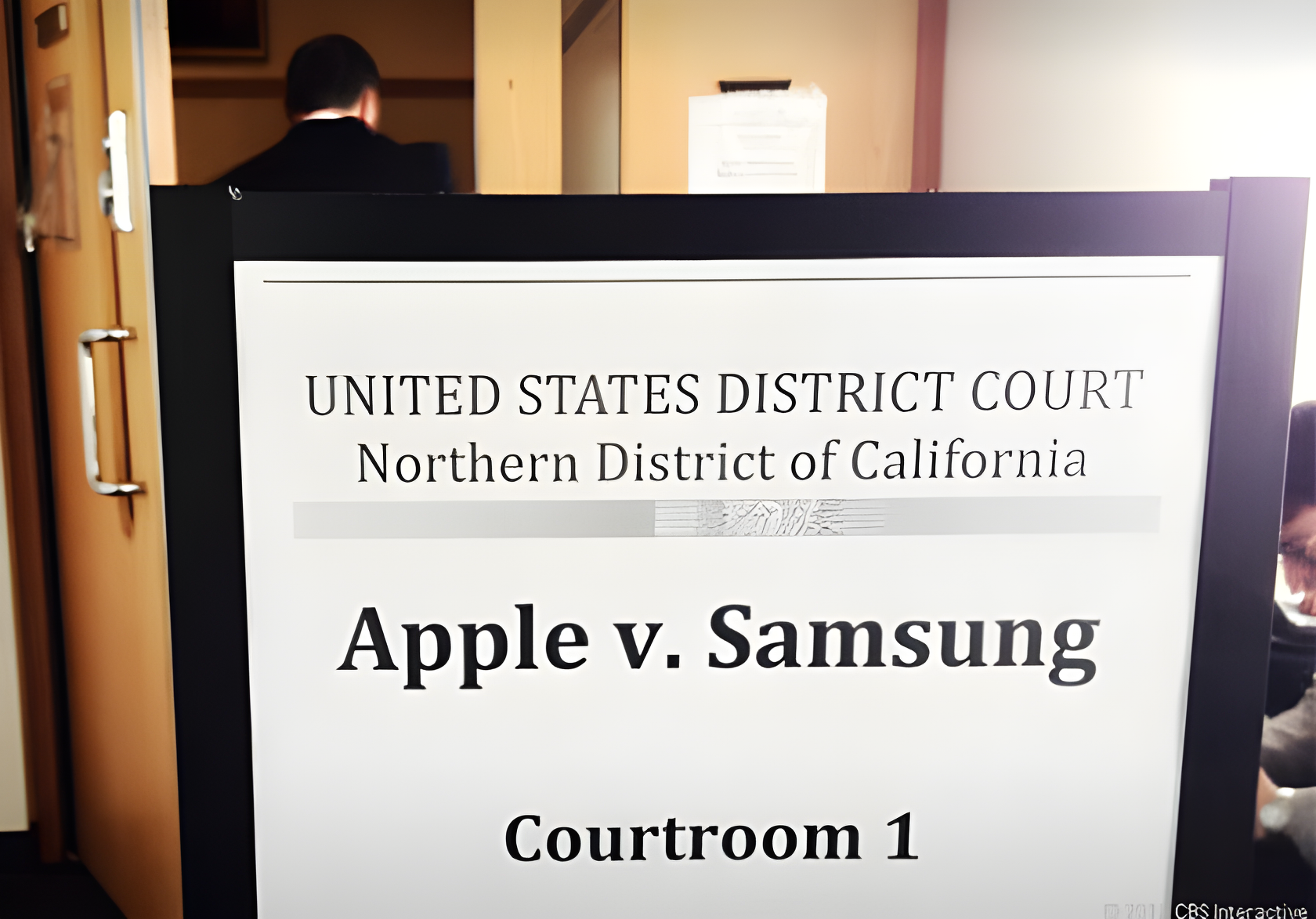
The history of Apple versus Samsung is littered with lawsuits and patent disputes that have captured global attention. Between 2011 and 2015, over fifty major lawsuits unfolded across multiple countries, with billions in damages awarded back and forth. These cases weren’t just about intellectual property; they were strategic tools to slow competitors, shape public perception, and protect market share. Even in 2025, patent litigation continues to influence how both companies innovate, forcing engineers and designers to carefully consider every feature and design choice to avoid infringement.
From a design perspective, legal constraints can be surprisingly productive. They push teams to explore alternative forms, interfaces, and materials, resulting in products that are unique not just aesthetically but structurally. Samsung’s flexible display experiments and Apple’s proprietary interface gestures are partly born from navigating this legal landscape, turning constraints into innovation opportunities.
Marketing has become a battleground nearly as important as technology itself. Samsung historically has been more aggressive, spending hundreds of millions annually to ensure visibility worldwide. Apple, despite a conservative approach, strategically invests to amplify key product narratives and brand values. Campaigns range from cinematic product launches to interactive experiences and social media engagement, creating a constant media presence that reinforces loyalty and hype simultaneously.
Evan Carter remarks that for designers, observing these marketing strategies offers lessons in narrative crafting, emotional engagement, and visual storytelling. The visual identity, user experience, and even packaging contribute to a comprehensive strategy that is far more than promotional material — it’s part of the product’s design ecosystem.
Geography plays a crucial role in determining dominance. In 2025, Apple maintains leadership in the United States and parts of Western Europe, while Samsung commands Asia and emerging markets. These shifts are influenced by local preferences, carrier partnerships, and even regional marketing campaigns. Despite massive global sales, neither company can claim an absolute victory, highlighting the nuanced complexity of global markets in the smartphone era.
Designers can learn from these market variations, noting how cultural, ergonomic, and aesthetic preferences shape product adoption. Regional tastes influence everything from color choices to interface layout, underscoring the importance of context in product design.
Technology is the ultimate arbiter in this ongoing war. Samsung’s foldable screens, advanced camera systems, and rapid iteration cycles contrast with Apple’s seamless ecosystem, proprietary chipsets, and software optimization. Innovation is leveraged not only to attract consumers but also to create differentiation that is legally defensible and marketable. In 2025, both companies continue pushing boundaries in battery efficiency, AI integration, and augmented reality capabilities, demonstrating that the smartphone market is still fertile ground for experimentation.
From a designer’s perspective, these innovations are case studies in user experience and industrial design. Balancing cutting-edge technology with intuitive, elegant interfaces remains the core challenge for both companies, and each product release offers lessons in harmonizing form and function.
The rivalry between Apple and Samsung has far-reaching consequences for the wider tech ecosystem. Competitors like Xiaomi, Google, and Oppo navigate a landscape heavily influenced by these giants, often focusing on niches or alternative value propositions to survive. The ongoing battle also drives suppliers, software developers, and designers to innovate faster and maintain quality standards at unprecedented levels.
Evan Carter emphasizes that for anyone in the tech and design industries, the Apple-Samsung competition serves as a lens to study strategic thinking, design innovation, and consumer psychology. By understanding how these companies operate on multiple fronts simultaneously, designers can anticipate trends, predict user behavior, and learn to craft products that resonate both technically and emotionally.