22
Jun
22
Branding is no longer a simple logo or color scheme—it’s a full sensory experience, especially in music. In projects like Troglodytes, branding extends beyond album art to digital interactions, merch, and promotional campaigns. A well-crafted visual identity communicates the artist’s story, musical style, and ethos before a single note is played. For designers, understanding the nuances of such branding helps inform decisions about typography, color palettes, and layout hierarchies that resonate with the target audience.
In 2025, audiences expect more than static visuals—they want an experience. Music branding is about crafting that experience holistically, combining visual and auditory cues to build an emotional connection. For Troglodytes, the design team explored imagery, abstract patterns, and interactive elements that reflect the band’s sonic textures, producing a coherent narrative across web and social platforms.
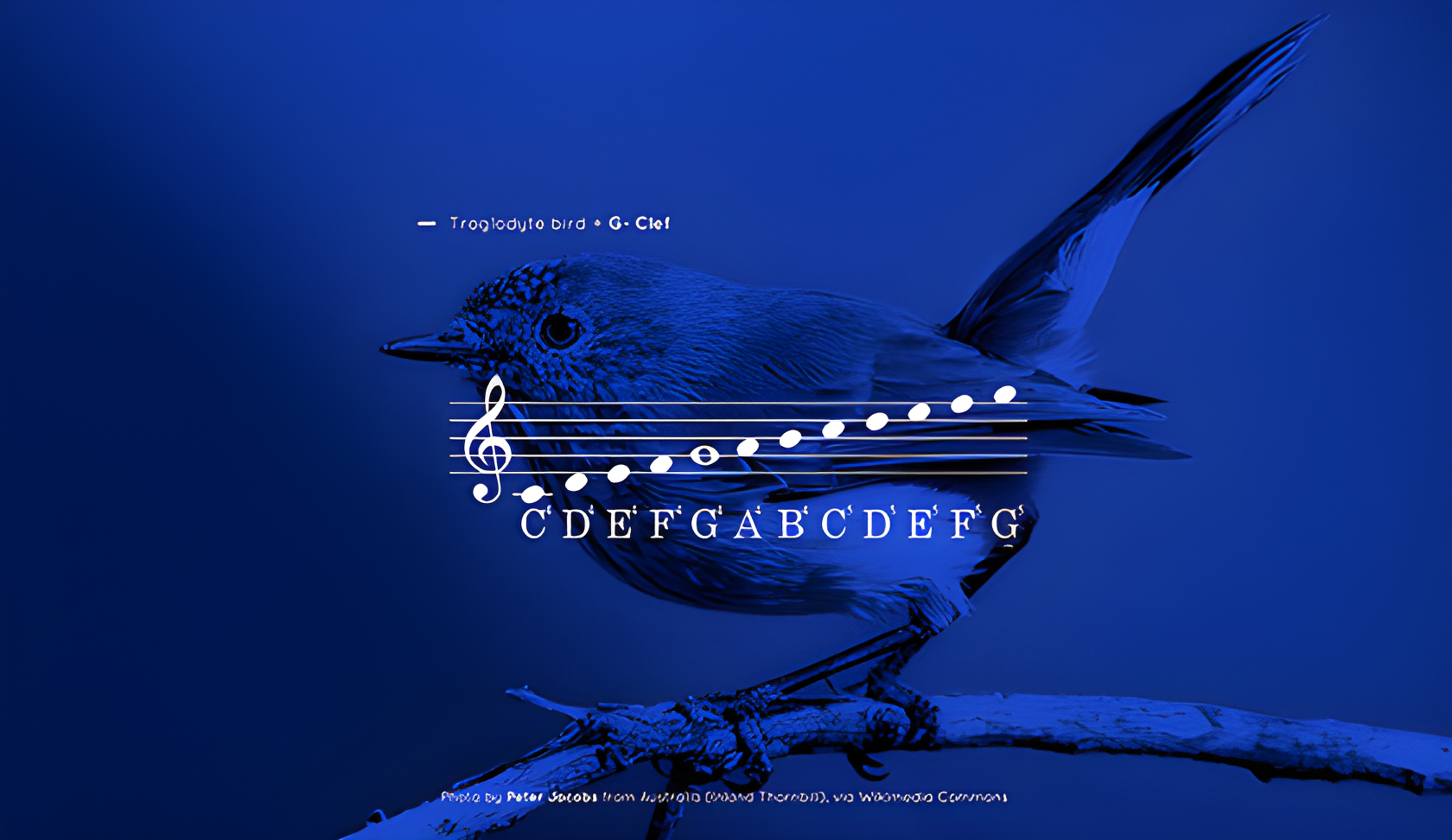
The Troglodytes project demonstrates a balance between minimalism and expressive design. Bold contrasts, deliberate use of negative space, and careful typographic choices create an identity that feels modern yet timeless. Icons and graphical motifs are consistent across digital and print materials, ensuring immediate recognition. For example, recurring visual elements evoke subterranean or tribal imagery, aligning with the band’s name and musical aesthetics. These decisions influence perception subconsciously, guiding audience expectations before any interaction begins.

By analyzing these design patterns, designers can see how abstract concepts—sound, mood, and narrative—translate visually. This approach fosters a design practice that is both intuitive and conceptually rich, offering inspiration for packaging, UX/UI, and experimental graphics alike.
Web design in music is no longer auxiliary—it is central to audience engagement. Troglodytes’ interface integrates interactive elements that mimic live performance energy. Animated transitions, responsive layouts, and visual storytelling create an immersive journey. Users are encouraged to explore, click, and linger, experiencing both the music and its visual identity simultaneously.

Good interface design also prioritizes accessibility, ensuring that fans can navigate and engage without frustration. Designers can learn from Troglodytes by balancing aesthetics with usability, considering how micro-interactions, hover effects, and content hierarchy reinforce the brand. The interface becomes an extension of the music itself, shaping how the audience perceives and remembers the project.
From Troglodytes, designers can extract several lessons: consistency in visual elements strengthens identity, thematic motifs enhance emotional engagement, and interactivity enriches user experience. It’s crucial to observe how typography, iconography, and motion work together to support storytelling. Additionally, translating abstract concepts like sound or mood into visual cues challenges designers to think multidimensionally, expanding creative skill sets.


For my own practice, observing projects like this influences approaches to web and product design. I’ve experimented with interactive landing pages and immersive branding experiences for clients, using lessons learned from musical interfaces to enhance engagement and narrative clarity. Ultimately, these case studies emphasize that digital design is a tool for storytelling, not merely aesthetics.
Everybody needs inspiration, either from within or from a source that rouses the sleeping dragon within you.
The fusion of music branding and web design requires deliberate, thoughtful design decisions. In Troglodytes’ case, every digital touchpoint—from homepage animations to merch pages—reflects the artistic vision. By integrating visual identity, interactive elements, and usability, designers create cohesive experiences that resonate deeply with audiences. Regularly studying similar projects and analyzing design choices sharpens both conceptual and practical design skills, helping creators craft interfaces that are visually compelling and emotionally engaging.