17
Apr
25
Every designer knows that the spark of creativity often comes unexpectedly. Whether it’s the subtle curve of a building or the interplay of light on a street, photographs have the power to awaken imagination. Design Inspiration Dose, as curated by Pixelonomics, collects images that have inspired creative work around the world, emphasizing that inspiration can be both internal and external. Observing the details in photography allows us to experiment with color palettes, patterns, and forms in ways that would be difficult from mere conceptual thought alone.
In 2025, the relevance of such curated visual inspiration has only increased. With digital overload and endless creative content online, having a trusted collection of thoughtful, high-quality imagery helps filter out noise and focus on ideas that genuinely resonate with your design sensibilities. A single photograph can ignite a concept, transforming a vague idea into a tangible creative direction.
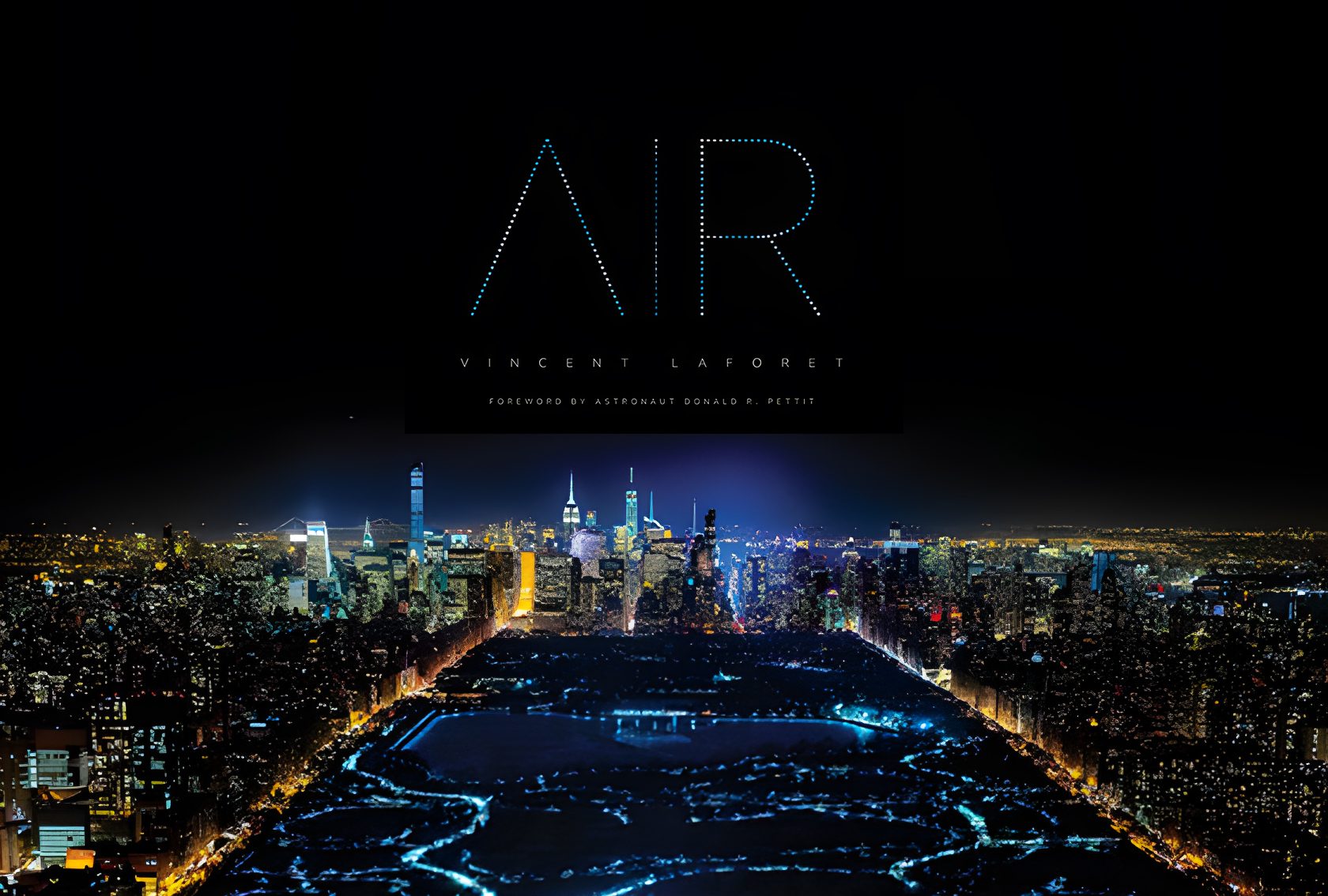
Looking at photographs from cities like Sydney, Miami, London, and Chicago, we notice not just architecture but moods, rhythms, and atmospheres unique to each location. Sydney’s harbor views bring a sense of openness and serenity, while Miami’s vibrant streets communicate energy and bold color contrasts. London’s historic textures and Chicago’s striking skylines teach lessons about proportion, materiality, and composition in real-world environments. Even Las Vegas with its flamboyance, New York with its density, Los Angeles with its sunlight-soaked horizontality, Barcelona’s eclectic architecture, and Berlin’s urban grit—all offer a spectrum of visual cues to inform design thinking.


It’s important to recognize that each image is not only a reference but a case study in composition, narrative, and sensory perception. By examining what makes a photograph compelling, designers can translate these lessons into packaging, interiors, furniture, or digital layouts, enriching their creative vocabulary.
To utilize photographic inspiration effectively, treat it as a tool rather than a blueprint. Begin by extracting elements that resonate with you: color contrasts, geometric patterns, or even the emotional undertones of a scene. Sketch, render, or prototype using these extracted elements. For example, the vibrant textures of Miami streets might influence a bold graphic motif on packaging, whereas Berlin’s austere architecture could inform minimalist spatial arrangements.


Another approach is thematic alignment. If a project requires evoking a particular mood—playfulness, elegance, or nostalgia—select city images that naturally embody these feelings. Over time, this practice develops your ability to read and repurpose visual cues creatively, building a personal library of inspirational triggers for multiple design disciplines.
From my own practice, I remember designing a furniture collection influenced by London street photography. The irregular textures and subtle color shifts seen in back alleys became the pattern language for upholstery and surface finishes. Similarly, a lighting installation drew its structure from the geometric skyline of Chicago as captured at sunset. These aren’t literal translations but interpretive exercises that transform inspiration into functional, aesthetic design solutions. Observing, interpreting, and experimenting are crucial steps that bridge photography and applied design.


Everybody needs inspiration, either from within or from a source that rouses the sleeping dragon within you.
Consistency matters. Regularly revisiting curated photography collections, attending exhibitions, or simply photographing your environment can cultivate a designer’s sensitivity to forms, colors, and patterns. The goal isn’t replication but stimulation: awakening the ‘sleeping dragon’ of imagination. Whether it’s through travel, urban exploration, or virtual galleries, staying engaged with visual content enriches the design mind, ensuring fresh ideas are never far away. By making inspiration a habit, designers can maintain a steady flow of creativity in both personal and professional projects.