02
Jun
25
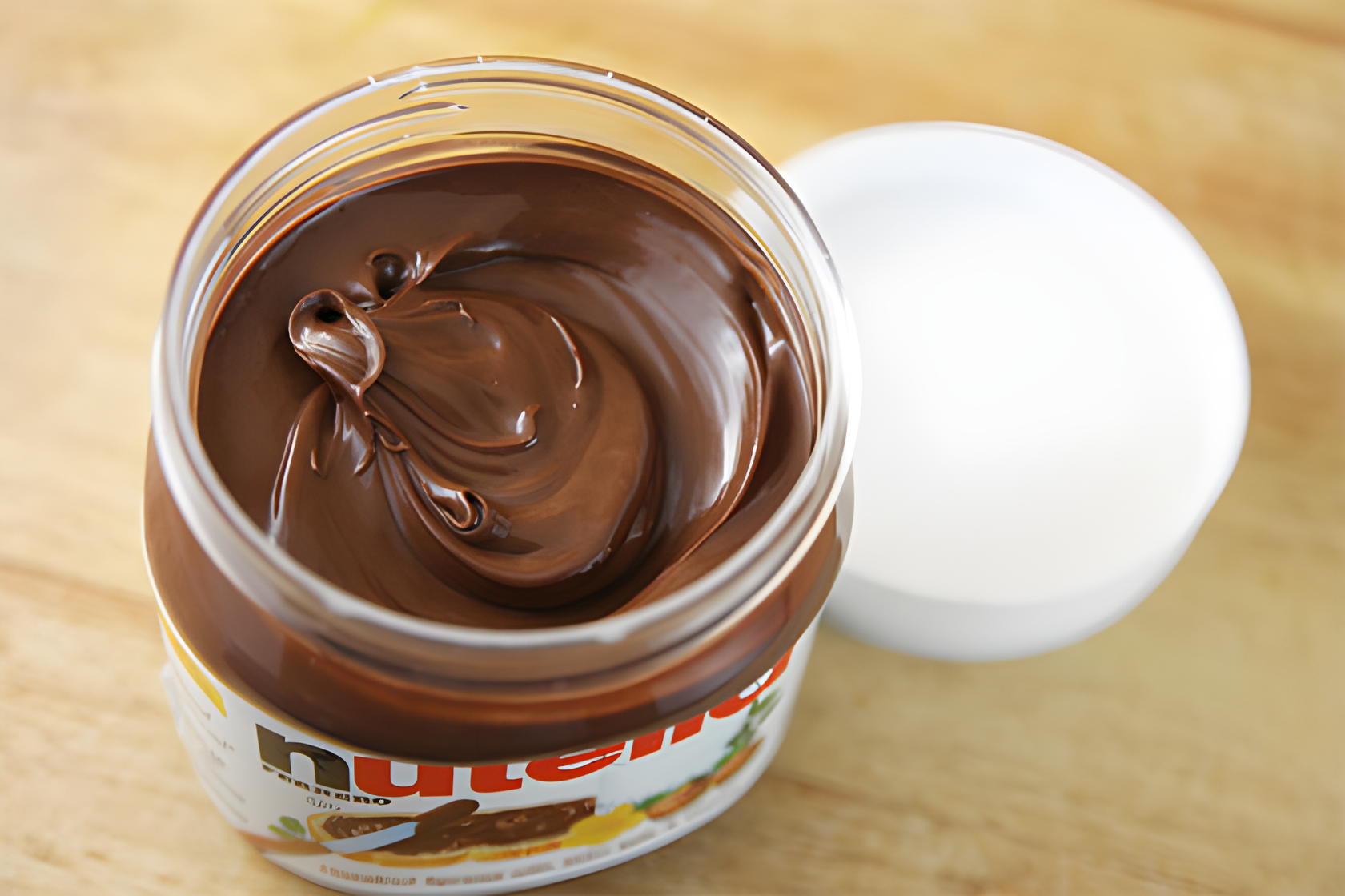
Nutella lovers, brace yourselves. The world’s hazelnut supply — the soul of your favorite chocolate spread — is under serious threat. For years, global demand has climbed higher than farmers can keep up with, and climate disruptions have turned once-stable harvests into a game of chance. In 2025, hazelnuts have become one of the most vulnerable crops in the confectionery world, with prices rising faster than anyone expected.
Ferrero, the Italian company behind Nutella, consumes roughly a quarter of all hazelnuts grown worldwide. That’s an astonishing figure — and also a dangerous dependency. When frost or hail hits the Turkish coast, or when droughts disrupt supply chains, the ripple effect touches breakfast tables everywhere. What used to be a “temporary shortage” now looks like a structural crisis.
“Every jar of Nutella contains about 50 hazelnuts. Multiply that by millions of jars a day — and you’ll understand why we’re running out,” said a Berlin-based food analyst.
Behind this crisis lies a simple truth: our collective obsession with creamy, sweet comfort has outpaced nature’s ability to provide for it.
Hazelnuts aren’t like wheat or corn — they’re picky, slow, and heavily dependent on microclimate. About 70% of the world’s supply still comes from the Black Sea region of Turkey, where steep hillsides and shifting weather make large-scale farming nearly impossible. One bad season can wipe out thousands of tons of crop.
In 2024, unexpected hailstorms and an early frost cut Turkey’s production by almost half. This sent global prices soaring by over 50%. Farmers described the event as “a harvest apocalypse.” These small, brown nuts suddenly became a symbol of how fragile modern food systems can be.
As a designer, I can’t help but see a metaphor in that — our world, built on instant gratification, collapses when one simple natural rhythm breaks. We designed a system too efficient for its own good.
Ferrero’s empire runs on a mix of nostalgia, sugar, and branding genius. But beneath its glossy jars lies a complex network of farms, logistics, and fragile ecosystems. Since acquiring Turkey’s Oltan Group, Ferrero has tried to secure its own hazelnut supply, but climate doesn’t bend to corporate strategy.
Nutella isn’t just a product — it’s a cultural artifact. It connects generations, countries, and memories. Yet, this emotional attachment has created an industrial appetite that’s nearly impossible to satisfy sustainably. In 2025, the company faces the same dilemma as many others: how to feed billions of cravings without consuming the planet.
“We wanted to make joy accessible,” said a Ferrero executive once. “We didn’t realize joy had such a high environmental cost.”
To avoid future disasters, Ferrero and independent growers have turned to other continents. Australia and Chile are emerging as the new frontiers of hazelnut cultivation. Their temperate climates and technological farming methods show promise — but trees take years to mature. The first large harvests from these regions are expected around 2027–2028.

Meanwhile, smaller cooperatives in Italy and the U.S. are experimenting with hybrid hazelnut varieties that resist frost and drought. Scientists at Oregon State University have even been developing a disease-resistant cultivar that might redefine how the world grows nuts. The process is slow but hopeful — a reminder that innovation can still work hand-in-hand with nature.
Researchers are now exploring genetic resilience in hazelnuts, similar to what’s been done for coffee and cacao. The aim is to build a species that can survive climate swings while maintaining flavor and yield. It’s a fascinating intersection of biology, technology, and consumer culture — and it says a lot about what we’re willing to fight for.
Even cocoa, Nutella’s other key ingredient, faces similar pressure. The African cocoa belt is shrinking due to deforestation and heat stress. Sustainable chocolate, once a niche luxury, might soon become the norm out of necessity, not virtue.
Will science save our beloved spread? Possibly. But maybe the better question is — will we change our habits before science has to?
The Nutella crisis isn’t isolated. It’s part of a larger pattern: climate change disrupting the foods that define our daily comfort. Coffee, chocolate, avocados — all are feeling the heat, literally. As the weather grows more erratic, and soil fertility declines, we’re forced to reckon with how dependent our pleasures are on stability.
In 2025, Ferrero has joined global sustainability initiatives, pledging to reach net-zero emissions by 2035 and support regenerative agriculture. It’s a step forward — but also a reminder that corporations react, while ecosystems respond much slower.
As someone who’s always designed objects meant to last, I can’t help thinking that food design — yes, it’s a real thing — must start embracing longevity, not just taste. Maybe “indulgence” needs a redesign.
In the end, the hazelnut crisis isn’t only about price or supply. It’s a mirror to our consumer behavior. We treat products as infinite, forgetting that their ingredients come from fragile ecosystems. Every spoonful of Nutella carries a quiet story of labor, weather, soil, and time.
We’re all Nutella maniacs. But perhaps the next revolution in taste won’t come from a factory — it’ll come from restraint.
I still have a jar or two in my kitchen — and yes, I’m rationing it. But more than that, I’m thinking about what it means to “stock up” in a world running out of patience and resources. Maybe the real indulgence now is mindfulness — knowing the story behind what we consume.