17
Jul
24
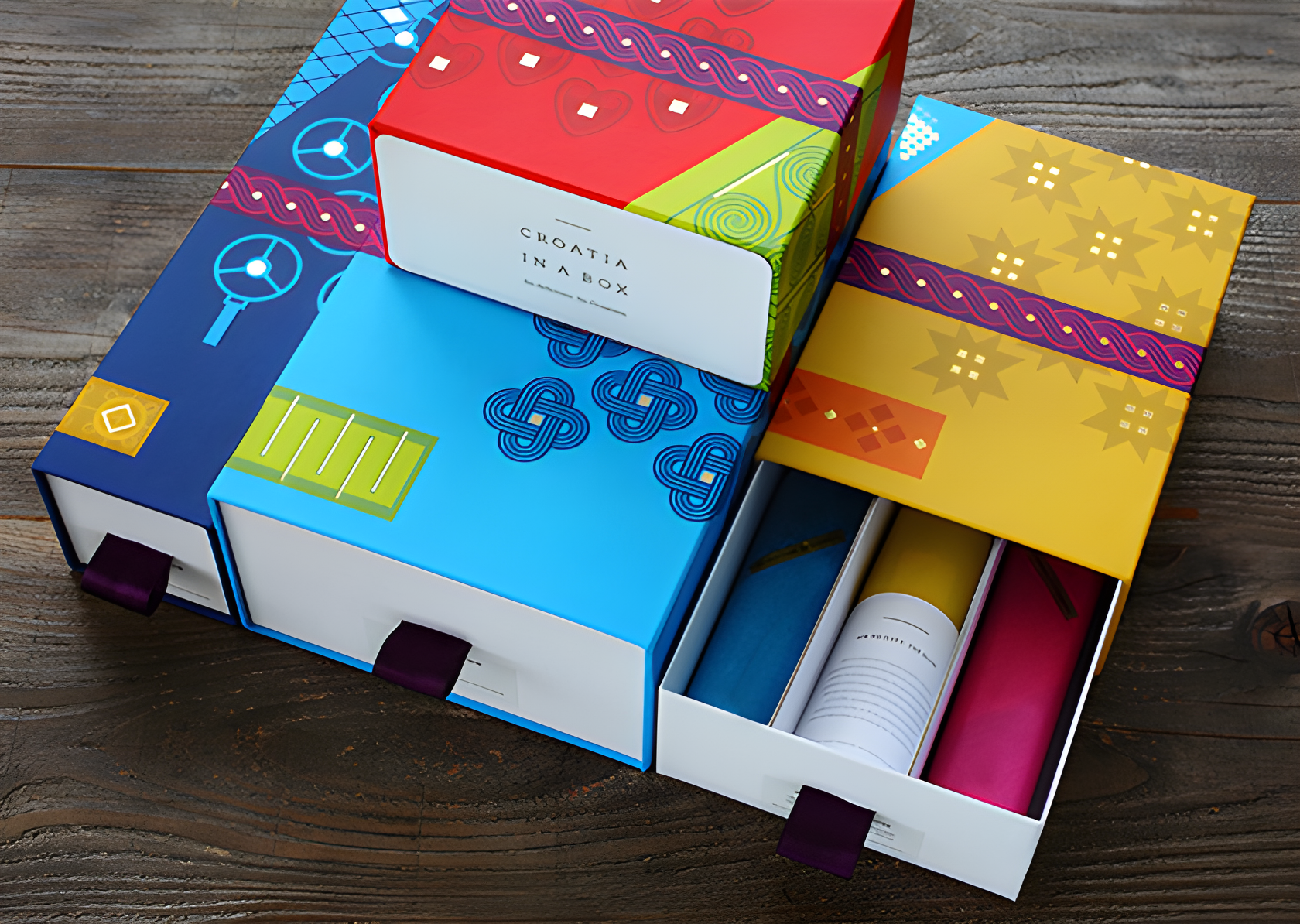
When I first encountered Croatia in a Box, I was immediately drawn to the interplay between cultural identity and modern design. The idea isn’t simply to package products—it’s about creating a miniature journey through Croatia’s landscapes, heritage, and creative energy. From a designer’s perspective, the challenge lies in balancing narrative and practicality, making the box both informative and functional. On one of my trips to Dubrovnik, I noticed how subtle architectural motifs inspired patterns on the packaging, a detail that elevates the design beyond mere containment.
The creators wanted the packaging to evoke a sense of place without overwhelming the consumer with clichés. Every visual element, from typography to color palette, is a deliberate nod to Croatia’s rich history and contemporary design scene. This approach resonates with my own philosophy: design must engage the senses and tell stories, not just present objects.
Packaging in Croatia in a Box functions as a narrative medium. Instead of simply protecting the contents, it communicates culture, landscape, and emotion. Each element—illustrations of coastline vistas, stylized representations of Dalmatian architecture, and color schemes reminiscent of Mediterranean sunsets—works cohesively to guide the consumer through a sensory experience.


During my exploration of the design process, I noticed how the designers carefully layered these visual cues. It’s not random decoration; it’s storytelling. This reinforces an important lesson I often reflect on in my own work: the container can be as expressive as the product it holds. I recall experimenting with this in a furniture packaging project, where patterns suggested movement and life, and here the effect is amplified with cultural resonance.
Another layer of complexity lies in material selection. Croatia in a Box integrates eco-friendly materials without compromising aesthetics or tactile appeal. Thick, textured cardstocks and recycled inks create a tangible connection between the consumer and the culture represented. As a designer, I appreciated the subtle balance: the packaging feels premium yet conscientious, reflecting a growing expectation that design must respect both people and planet.

This principle of sustainability aligns with my own creative experiments. When developing small-scale product designs, I’ve often grappled with finding materials that are durable, appealing, and environmentally responsible. Seeing it executed on this cultural scale reinforces that thoughtful material choices can enhance storytelling and brand authenticity simultaneously.
Several iterations of Croatia in a Box demonstrate how regional inspiration can translate into compelling design. One edition, focused on Dalmatian coastal produce, utilized wave-inspired embossing to create a visual rhythm. Another, celebrating inland traditions, incorporated patterns drawn from folk textiles, weaving them into minimalist modern layouts. Observing how these choices influence consumer perception was enlightening—I saw how narrative coherence, combined with design rigor, fosters deeper engagement.

I reflected on similar challenges in my own work: the temptation to overcomplicate designs versus the need to communicate clearly. Croatia in a Box provides a blueprint for achieving harmony, showing that cultural cues, when applied thoughtfully, can resonate across global audiences while remaining authentic.
Designing a packaging project like Croatia in a Box comes with constraints. Balancing visual impact with functionality, maintaining cultural authenticity, and addressing sustainability concerns can be a delicate act. I noticed the team’s iterative process: prototypes were tested for tactile experience, visual legibility, and emotional resonance. The result is packaging that not only conveys a story but also performs efficiently in real-world conditions.
From my perspective, this highlights an essential principle: effective design is never isolated from practical realities. Creativity thrives when grounded in constraints, and the lessons from Croatia in a Box reinforce that tension between imagination and execution often produces the most memorable outcomes.
Encountering Croatia in a Box reminded me why packaging is a subtle but powerful medium for design storytelling. The integration of cultural motifs, material experimentation, and functional efficiency creates an experience that is informative, engaging, and aesthetically compelling. As I considered my own projects, I found inspiration in the ways narrative, design, and sustainability converge.
“Design should invite curiosity and reflection, transforming ordinary objects into carriers of culture and emotion.” — Evan Carter
This project reaffirms my belief that design is a bridge—between people, products, and the stories they carry. Croatia in a Box exemplifies how thoughtful design can elevate everyday interactions into moments of discovery, making it an inspiring case for anyone seeking to combine culture, creativity, and conscience in their work.