29
Jun
26
We live in an incredibly visual culture where we judge interior furnishings almost entirely by how pristine, uniform, and flawless they look in a heavily retouched studio catalog. When commercial brands mass-produce standard wooden chairs, they treat timber as a completely sterile, interchangeable industrial commodity. Thousands of tons of raw wood are harvested on one continent, shipped halfway across the globe to be processed in automated factories, and then distributed worldwide as flat-pack boxes. But as a designer who has spent years working across physical furniture prototyping and commercial branding, I am constantly frustrated by the absolute lack of soul embedded in this hyper-globalized supply chain. The modern furniture industry has completely detached itself from the land, wiping away the unique story, grain, and physical character of local woodlands for the sake of sterile corporate consistency.
Think about the last time you sat in a standard, mass-manufactured dining chair. The wood has likely been bleached, heavily stained, and coated in thick layers of synthetic polyurethane until it looks and feels indistinguishable from molded plastic. For millions of consumers, this is the default expectation of modern homeware. But when we strip away the organic irregularities of the material, we create environments that feel completely dead, anonymous, and disconnected from the natural world. This mass-production model doesn’t just damage the environment through massive carbon transportation footprints; it inflicts a subtle form of sensory deprivation on our living spaces. We have traded the deep, grounding history of native timbers for disposable, anonymous commodities that hold zero narrative value or structural permanence.
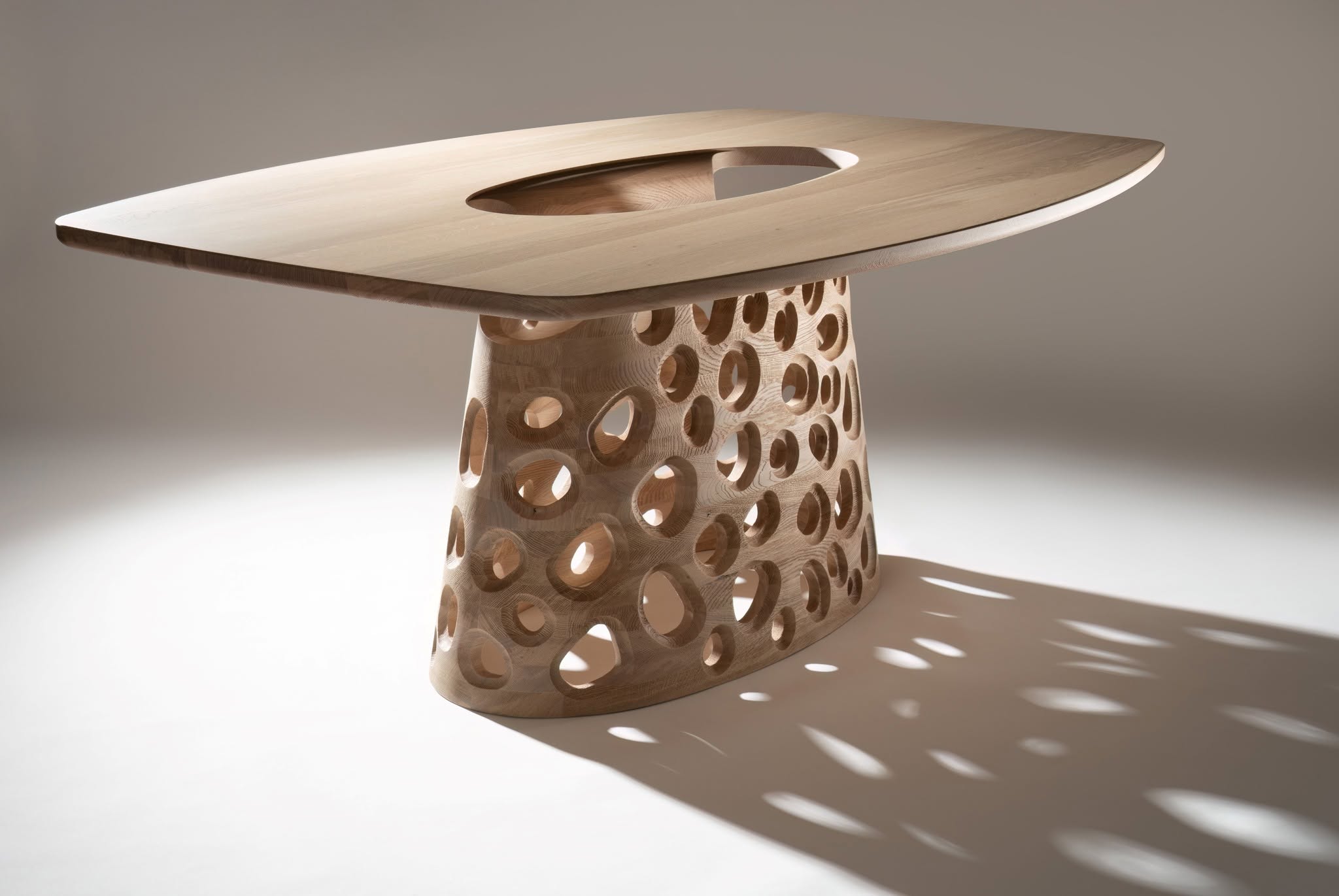
Thankfully, an incredibly powerful and beautifully grounded alternative exists within the independent artisan community. In Tullamore, Ireland, master furniture designer John Lee is executing a profound, quiet rebellion against the frantic pace of global mass production. Operating from his dedicated workshop, Lee creates exceptional, handcrafted chairs utilizing native Irish timbers—specifically English elm and ash—sourced entirely from a woodland located less than four miles away from his workbench. What makes this hyper-local methodology so deeply inspiring to me as a fellow creator is the absolute synergy between the geography of the land and the final geometry of the furniture piece.
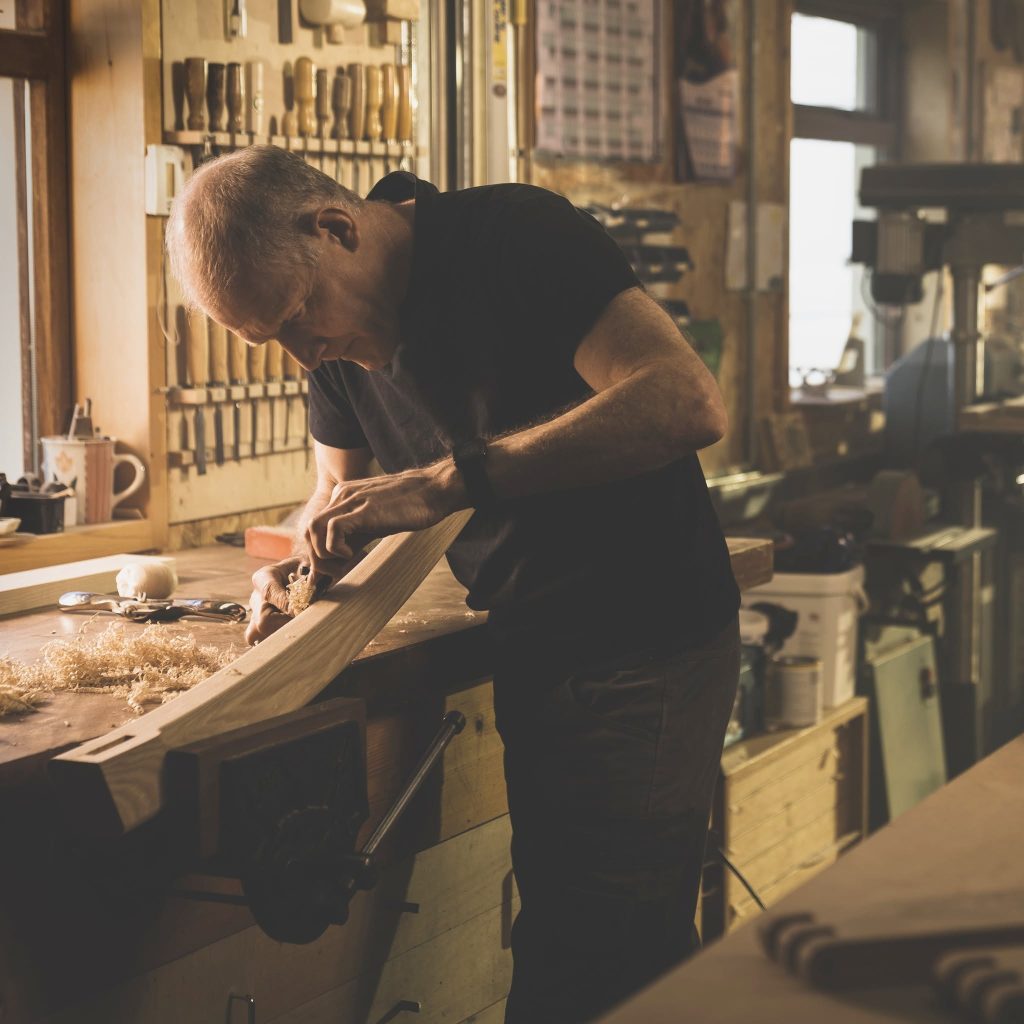
John Lee does not simply order standardized timber blanks from a commercial distributor. He actively engages with the living history of his local landscape, selecting individual trees that have fallen or reached the end of their natural life cycle within his immediate community. When studying media files and workshop documentation showcasing his meticulous wood-turning and joinery processes, I am consistently fascinated by how he adapts his structural designs to accommodate the natural warps, knots, and density shifts of each specific log. To keep my extensive research library organized without bogging down my system, I frequently download these high-resolution technical folders and pass them through an online Image Compressor to save space. What my detailed visual analysis reveals is breathtaking: by keeping his entire material loop tightly bounded within a four-mile radius, Lee transforms a simple seating object into a living, structural chronicle of the Tullamore landscape.
Historically, whenever large-scale furniture manufacturers attempt to inject a sense of “prestige” into their collections, they stumble directly into a lazy, environmentally destructive trap. They source incredibly rare, endangered tropical hardwoods from vulnerable rainforest ecosystems—materials like wenge, rosewood, or genuine mahogany. These exotic species are extracted under high-stress conditions, transported across oceans, and used purely as a shallow visual status symbol to justify exorbitant retail prices. This aggressive approach completely ignores the immense structural integrity, beautiful texturing, and rich historical legacy of the native hardwood trees growing right in our own backyards.
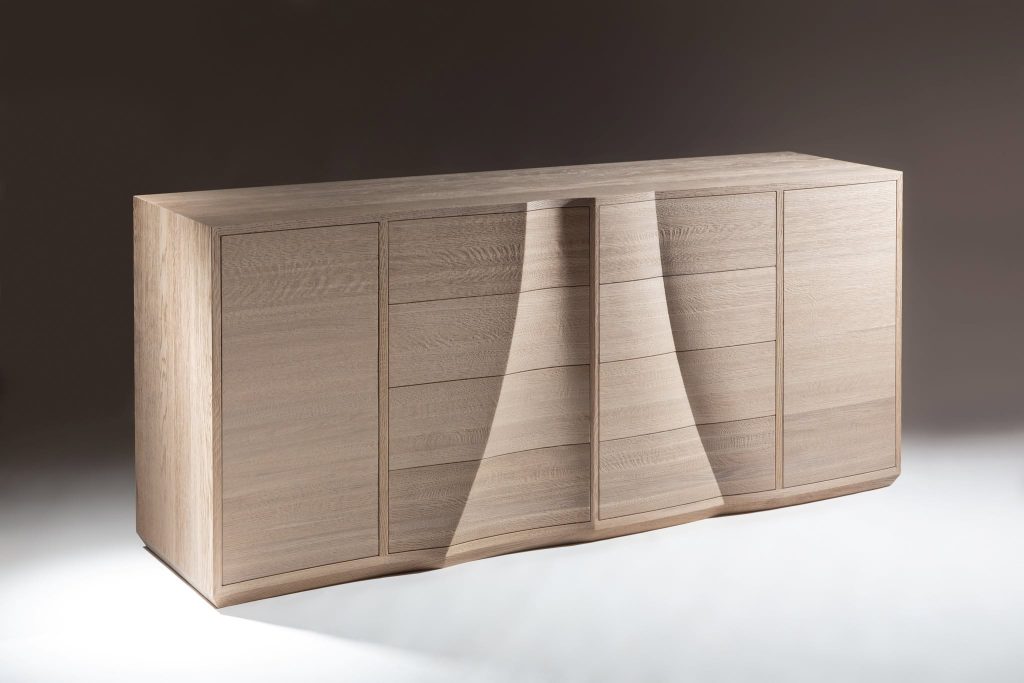
The true genius of John Lee’s approach lies in his absolute mastery of the unique material physics of native ash and elm. Ash is incredibly celebrated for its phenomenal elasticity, shock resistance, and bright, clean grain configurations, making it the perfect choice for creating strong, elegant, and lightweight chair legs and spindles. Elm, with its interlocking grain pattern, offers unmatched structural resistance to splitting, allowing the artisan to carve deep, comfortable, and incredibly durable solid seats that will last for generations without warping out of alignment. By choosing to elevate these local materials rather than chasing exotic imports, Lee proves that true luxury design does not require the exploitation of far-off lands. It requires deep observation, patience, and a willingness to listen to the specific properties of the timber growing just down the road.
I learned a harsh, permanent lesson about the absolute folly of prioritizing exotic, imported visual trends over local material reality during a project early in my career assisting a boutique architecture firm. We were designing a luxury boardroom for a corporate client in London, and the lead architect was completely unyielding in their desire for a hyper-dark, dramatic visual aesthetic. They ordered an enormous, custom-milled presentation table crafted entirely from solid tropical wenge wood imported directly from Central Africa. On paper and in our digital rendering software, the deep, near-black grain looked like an absolute masterpiece of minimalist opulence.
When you force an exotic material out of its native climate and into a completely different environmental atmosphere, the wood will almost always fight back against the architecture of the space.
The massive table was installed with great fanfare, but within less than two months of the office opening, our beautiful design concept dissolved into an expensive structural disaster. The central heating and modern air conditioning systems inside the London skyscraper created an incredibly dry, low-humidity atmosphere that was completely hostile to the tropical timber. The massive wenge planks began to dry out rapidly, causing the wood fibers to shrink violently until deep, audible cracks split right down the center of the table. We had to hire specialist restorers to stabilize the damage at an immense financial cost, and it completely ruined the clean aesthetic line of the room. It was a deeply humbling reminder that if you ignore the natural origin and atmospheric needs of a material, its visual beauty will eventually crumble under real-world physics.
The exceptional standard of craftsmanship coming out of John Lee’s Tullamore workshop should serve as a massive wake-up call for industrial designers, architects, and product developers across the entire creative sector. We must actively break away from our dangerous addiction to cheap, globalized, and disposable materials that separate us from our immediate environments. We need to start asking ourselves how our creations can deeply reflect, protect, and celebrate the local ecosystems and communities from which they emerge. A piece of furniture should never be an anonymous object destined for a landfill; it should be a functional, beautiful heirloom that anchors a home.
As creators, our ultimate goal should be to reduce the unnecessary ecological friction of the modern world, providing a profound sense of material integrity, historical continuity, and physical groundedness through our work. We need more independent makers who possess the courage to work within strict geographical boundaries, challenging the automated, high-volume standards of corporate manufacturing. Let us stop importing fragile, far-off resources to build sterile showrooms. Instead, let us start designing and engineering spaces, objects, and garments that genuinely embrace, respect, and honor the rich local landscapes that surround us every single day.