07
Dec
23
Life is a constant cascade of choices, most of them unnoticed yet deeply influential. From deciding which breakfast cereal to buy to choosing the furniture layout for your new apartment, every choice carries a ripple effect. Growing up, I observed how in some families, even the tiniest decisions—like what colour to paint a wall or what tutorial a child should attend—become collective debates, sometimes chaotic. It’s amusing, yet it illustrates how human nature often seeks validation before committing to something simple.
On the other hand, some decisions demand solitary accountability. Career moves, higher education, business ventures—these are choices that can steer your life trajectory. Here, indecision can stall progress, while rushed judgments may create unintended consequences. My own first foray into furniture design, for example, involved weighing material costs, client expectations, and my personal creative vision. Each decision seemed trivial in isolation, yet together they determined the final outcome of the project.
It’s easy to underestimate daily decisions. But consider them cumulatively; a series of seemingly minor choices builds habits, self-confidence, and experience. They teach you the rhythm of decision-making, the tension between practicality and creativity. The trick lies not in obsessing over perfection but in observing patterns, knowing priorities, and embracing responsibility.
A decision is more than a casual choice; it is a commitment based on available knowledge and personal priorities. Imagine travelling from London to Edinburgh: flights, trains, cars, or buses. Each option comes with trade-offs—time, cost, comfort, convenience. The wisest choice depends on what you value most. Knowledge equips you to decide; ignorance can turn a simple journey into a costly, confusing ordeal. I’ve often seen friends book roundabout routes just because they didn’t research their options, wasting time and money unnecessarily.

Decisions are intrinsically linked to information. Whether you are choosing travel logistics or evaluating suppliers for a furniture project, the clarity of your knowledge base defines the efficiency and confidence of your choice. A well-informed decision is inherently easier to defend, not because it guarantees success, but because it reflects deliberate, conscious thought rather than random chance.
“Without clarity on what we know, decisions become little experiments in chaos.”
Goals act as a compass in the storm of options. Consider students aiming for an MBA simply because it sounds prestigious. When asked why, answers often default to generic benefits: better job prospects, higher salary, social approval. Yet without introspection on personal goals, their decisions are shallow, reactive, and easily swayed. In contrast, defining a goal—even a modest one like creating a minimalist workspace—instantly narrows your choices, helping you evaluate actions based on alignment with that goal.
In my early career, I chose to specialise in modular furniture design because I valued adaptability and functionality over flashiness. Every project decision—from materials to spatial efficiency—stemmed from that core goal. The clarity of purpose simplified countless micro-decisions that might otherwise have been overwhelming. The same principle applies broadly: your goals act as filters, making yes-and-no decisions instinctive rather than burdensome.
Every decision carries consequences, sometimes immediate, sometimes delayed. Launching a furniture line with an untested supplier taught me firsthand that accountability extends beyond the initial choice. If the venture succeeded, it reflected prudent planning; if it faltered, it highlighted gaps in research and foresight. Either way, it remained my decision. Accepting this responsibility is vital—without it, one risks blaming circumstances instead of learning.
Time is the ultimate arbiter. Only experience confirms whether a decision was sound. I once collaborated with a client who seemed promising but eventually derailed the project. It was not fate or misfortune; it was my choice to engage and manage the risks imperfectly. Each decision becomes a node in a network of future possibilities, shaping both outcomes and lessons learned. Understanding this network transforms decision-making from anxiety-inducing speculation into calculated experimentation.
Rationality guides decisions, but emotion, intuition, and social pressures exert strong influence. Families, cultural norms, and personal insecurities often distort objective judgment. I recall a client insisting on an overly ornate furniture piece “to impress visitors,” even though functionally it was impractical. Navigating these scenarios requires empathy, negotiation, and sometimes subtle compromise—skills as crucial as analytical reasoning. Creativity thrives in this intersection of rationality and emotion, where unconventional choices often yield surprising success.

Decision-making also involves embracing ambiguity. In design, there are rarely perfect solutions, only better or worse fits for a context. Learning to accept uncertainty, experiment in small doses, and iterate builds resilience. Small, playful choices, like experimenting with color palettes or modular configurations, sharpen instincts for larger life decisions. Gradually, this practice fosters confidence and a more nuanced understanding of cause and effect in complex environments.
Making a decision is one thing; living with it is another. Implementation generates a cascade of micro-decisions, each shaping the trajectory of the original choice. In interior projects, selecting a furniture vendor leads to considerations of delivery schedules, material quality, and client feedback. Similarly, a career decision manifests in daily work habits, skill development, and networking strategies. Recognizing this chain helps in planning proactively and responding flexibly when unexpected challenges arise.
Responsibility is the cornerstone. Whether a choice yields success or failure, claiming ownership is empowering. It transforms setbacks into learning opportunities rather than sources of regret. This mindset extends beyond design: even personal choices, like travel routes or lifestyle changes, benefit from deliberate evaluation, accountability, and reflection. Living your decisions with intention bridges the gap between thought and action, cultivating both personal growth and professional competence.
Reflection is the final, often overlooked step. Revisiting past choices—career moves, creative projects, personal habits—allows one to extract lessons and refine future decision-making. Studying history, trends, or even the outcomes of previous experiments informs more intelligent choices moving forward. I frequently revisit completed furniture installations to evaluate materials, ergonomics, and client satisfaction. These insights then feed into new projects, improving efficiency and creativity.
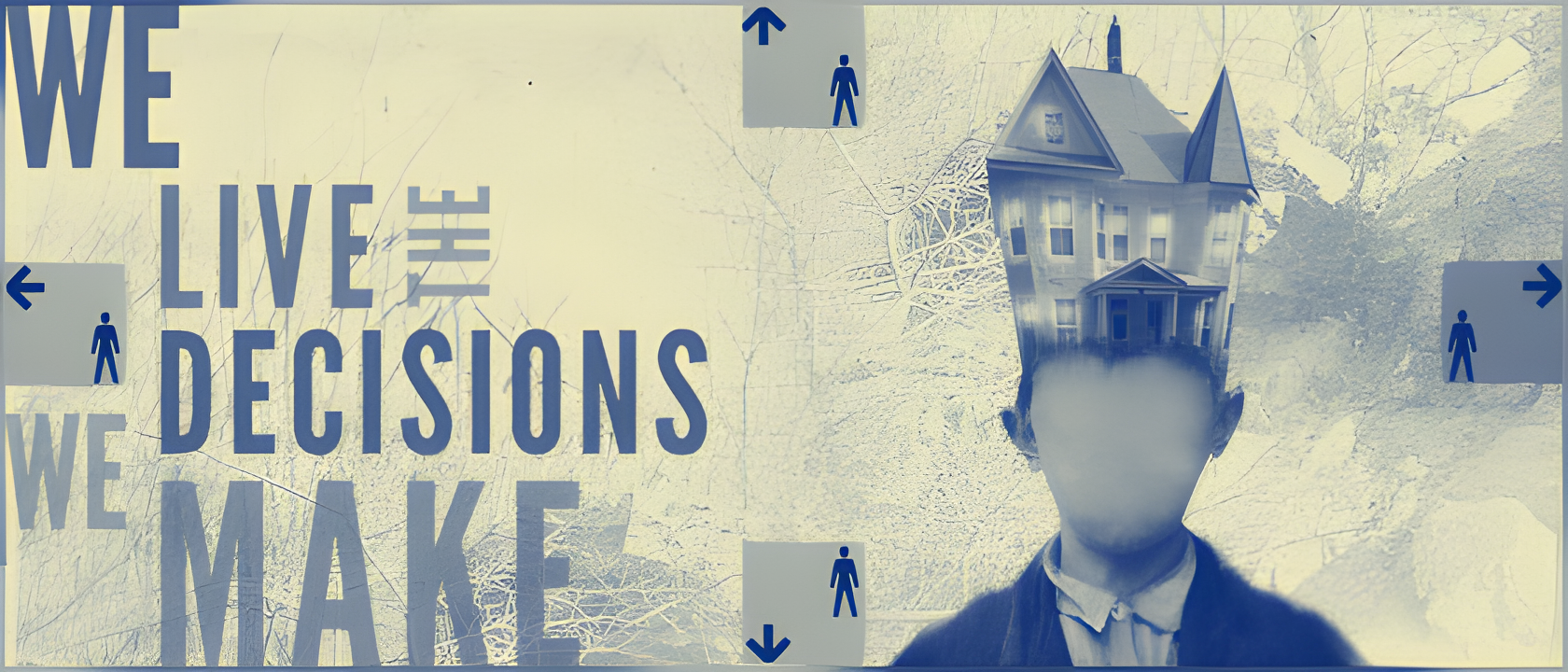
Ultimately, living our decisions requires awareness, courage, and curiosity. Understanding options, aligning with goals, embracing responsibility, and reflecting critically transforms decision-making from a source of stress into a tool for intentional, meaningful life. Every choice, small or significant, is an opportunity to craft the narrative of our own lives.