18
Nov
25
Vintage decor has a unique charm that modern minimalism rarely achieves on its own. It brings warmth, individuality, and a sense of history into any living space. Unlike perfectly polished contemporary furniture, vintage pieces often carry subtle imperfections, stories, and textures that instantly make a room feel inviting. From slightly worn wooden chairs to patinated metal fixtures, each item tells a tale of life and use, creating an environment that encourages relaxation and comfort.
For example, consider a modest 1940s armchair found at a local flea market. Its faded upholstery and gentle creases might appear as flaws, yet they embody character and a human touch that no factory-new chair can replicate. Integrating these pieces alongside contemporary furniture allows homeowners to merge nostalgia with modern functionality. The cozy atmosphere doesn’t just come from materials or colors—it emerges from the narrative woven into the objects and the way they interact with their surroundings. In 2025, as people increasingly value authenticity and personal expression, this combination of story and comfort has become more relevant than ever.
Patina—the soft sheen, faded surfaces, or minor dents on vintage items—plays a surprisingly significant role in making spaces feel lived-in and welcoming. These imperfections provide visual texture and a sense of warmth that stark, modern designs often lack. Rather than hiding signs of wear, vintage enthusiasts embrace them, understanding that each mark contributes to a home’s personality and history.

Take, for instance, an old industrial sideboard with slightly uneven paint and rounded corners worn smooth from decades of use. When placed in a modern living room, it becomes a tactile focal point, inviting touch and interaction. In the same vein, minor scratches on a wooden tabletop or the faded leather of a cinema chair do not detract from its utility—they enhance the story it carries, encouraging inhabitants and visitors alike to pause, admire, and engage with their environment. Designers in 2025 often pair these textures with soft textiles, cozy lighting, and natural materials, balancing imperfection with comfort.
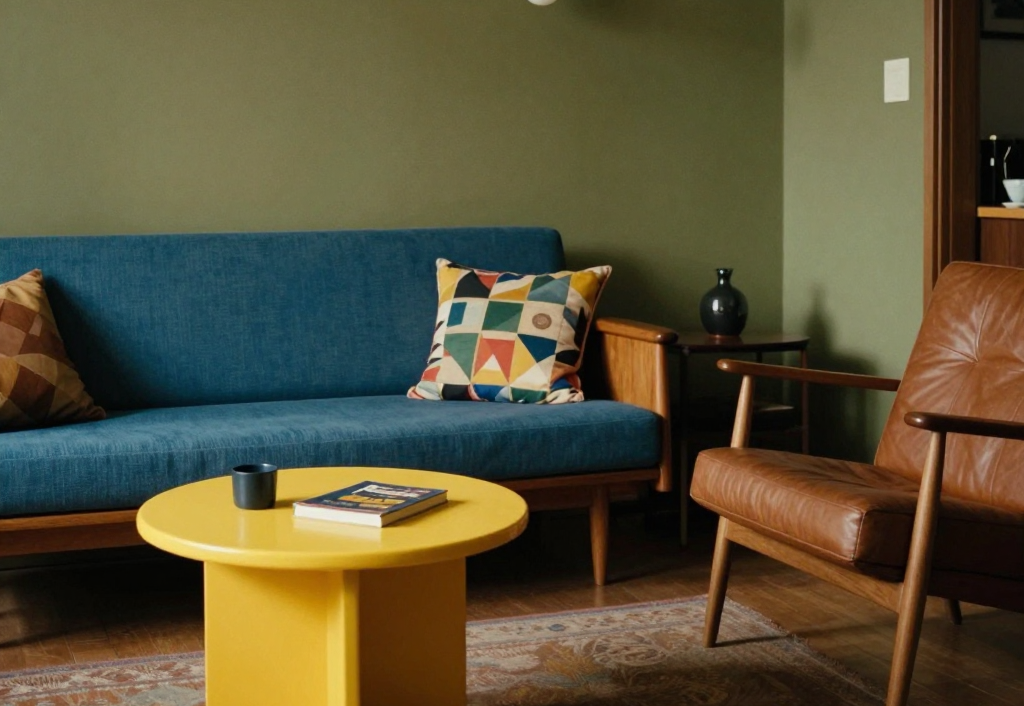
One of the hallmarks of contemporary vintage styling is the deliberate blending of eras. Pairing a 1960s Scandinavian side table with a sleek, modern sofa or placing an antique mirror above a minimalist console can create a striking yet harmonious contrast. The key is to mix pieces thoughtfully, ensuring that color palettes, proportions, and materials complement rather than clash.

In practice, combining eras can be as simple as introducing a few key vintage accessories into a predominantly modern space. For example, a distressed wooden coffee table or a vintage ceramic vase can punctuate a neutral contemporary interior without overwhelming it. This approach allows homeowners to enjoy the cozy, nostalgic qualities of vintage decor while maintaining the functionality and clean lines of modern design. Even small touches, like vintage-style lamps or textiles with subtle patterns, can bridge decades of design, adding depth and visual interest to any room.
Creating a vintage-inspired interior starts with intentional layering and curation. First, identify a few foundational pieces that carry the most character—perhaps a worn leather armchair, an antique chest, or a set of wooden dining chairs. Next, supplement these with smaller decorative items, such as vintage prints, aged ceramics, or textiles with subtle patterns. Lighting should be warm and soft to complement the cozy feel, using lampshades, Edison bulbs, or antique fixtures.

Another essential step is embracing flexibility: allow furniture and decor to breathe and avoid overcrowding. Strategic placement of objects, like grouping similar textures or colors, can enhance cohesion. Finally, personalize the space with items that carry sentimental value, whether inherited family pieces or carefully sourced flea market finds. Over time, each addition strengthens the narrative of the room, making it feel authentic, warm, and uniquely yours. In practice, this process may take weeks or months, but the resulting space exudes comfort and storytelling in equal measure.
With the rising popularity of vintage decor, the market has seen an influx of reproductions and replicas. Learning to distinguish authentic items from modern imitations is key. Look for indicators like embossed maker marks, signs of natural aging, and consistency in material wear. Certificates of authenticity, provenance details, or purchase receipts from reputable sellers can also provide assurance.
Practical advice for navigating flea markets or online platforms includes closely inspecting joinery, patina, and subtle manufacturing details. For instance, an original 1950s cinema chair will display handcrafted elements and wear patterns consistent with decades of use, while a modern reproduction might appear artificially distressed. Working with a knowledgeable friend or expert can help validate purchases, but over time, developing your eye for authenticity ensures that your vintage collection is both genuine and charming.
Vintage accessories add personality and depth to interiors. From Scandinavian vases inspired by Alvar Aalto to worn cinema seats, these items evoke nostalgia while contributing to comfort. Small decorative elements like patterned cushions, antique clocks, or quirky trinkets create focal points and conversation starters. In modern urban apartments, such curated touches provide a sense of retreat, reminding inhabitants of countryside simplicity or bygone eras.
For example, a home cinema outfitted with vintage wooden chairs and subtly distressed furniture creates a tactile, immersive experience. Even if the technology behind the projector or screen is entirely contemporary, the vintage elements instill warmth and invite engagement. This layering of time periods and textures exemplifies why vintage decor resonates emotionally, turning functional spaces into intimate, story-rich environments.
Finally, vintage decor taps into the emotional realm. Each item carries a memory, story, or cultural reference that connects inhabitants to the past. Collecting and arranging these pieces is as much about curating experiences as decorating. Flea market hunts, restoring old mirrors, or incorporating heirlooms imbue a space with personal significance and narrative depth.
This emotional resonance enhances comfort: rooms feel inhabited, authentic, and lived-in rather than staged. When you sit in a vintage armchair or handle a weathered wooden object, you experience tactile storytelling. In 2025, as homes increasingly reflect individuality and mindful living, vintage decor provides a pathway to create cozy, nostalgic, and visually compelling spaces that celebrate imperfection, history, and human connection.