11
Jan
22
Campaigns against drink driving have existed for decades, but the core message often gets lost. Squashed cars, crumbled bodies, red splashes of paint—it’s familiar imagery that might initially grab attention, but the audience becomes desensitized over time. Standard warning posters and videos risk blending into the background of everyday media, making it increasingly difficult to inspire behavioral change.
As a designer, I’ve seen how repetition dulls impact. Viewers may acknowledge the danger but fail to internalize it. The challenge lies in creating a design that surprises, engages, and leaves a lasting impression. Leo Burnett London recognized this gap and sought a solution that would break through the noise, introducing a new layer of interaction with the audience that feels real, visceral, and unforgettable.
The THINK! Initiative by London’s Department of Transport provided a perfect platform for innovation. Leo Burnett, collaborating with Rattling Stick, an agency based in the US, crafted the Pub Loo Shocker campaign. This was not just a typical PSA—it was a clever interplay of design, psychology, and staging that put the viewer directly into the story.

Instead of showing distant consequences of drink driving, the campaign localized the experience. Men entering the pub restroom became part of the narrative, unknowingly confronting the shocking effects of intoxicated behavior. This collaboration emphasized the value of context-aware design, turning a familiar message into a live, interactive scenario that combined humor and horror to engrain the lesson.
The campaign cleverly used live footage of actors as participants in staged yet convincing scenarios. Specially designed sound effects, breaking mirrors, and human mannequins created a sense of immediate danger. The astonishment of the “victims” and their exaggerated reactions amplified the visual storytelling.
Even though real pub-goers could not be used for ethical reasons, the staged realism achieved the same impact. The combination of video direction, environmental cues, and sound design created an experience that made viewers truly pause. By taking a conventional message and presenting it in an unexpected, sensory-rich way, the campaign demonstrated the power of experiential design in public safety awareness.
The Pub Loo Shocker quickly found traction online. YouTube videos circulated widely, and Twitter buzz amplified the message. Users shared clips with comments expressing astonishment, laughter, and renewed awareness of the consequences of drink driving. Posts like “if this ever happened to me I would pee my pants” capture the humorous yet sobering effect of the campaign.
Engaging audiences across platforms reinforced the original message. Unlike standard ads, social sharing provided a second layer of interaction: viewers not only observed but also discussed, debated, and spread awareness organically. This multi-layered engagement exemplifies how design can transcend traditional media channels, making campaigns more memorable and socially relevant.
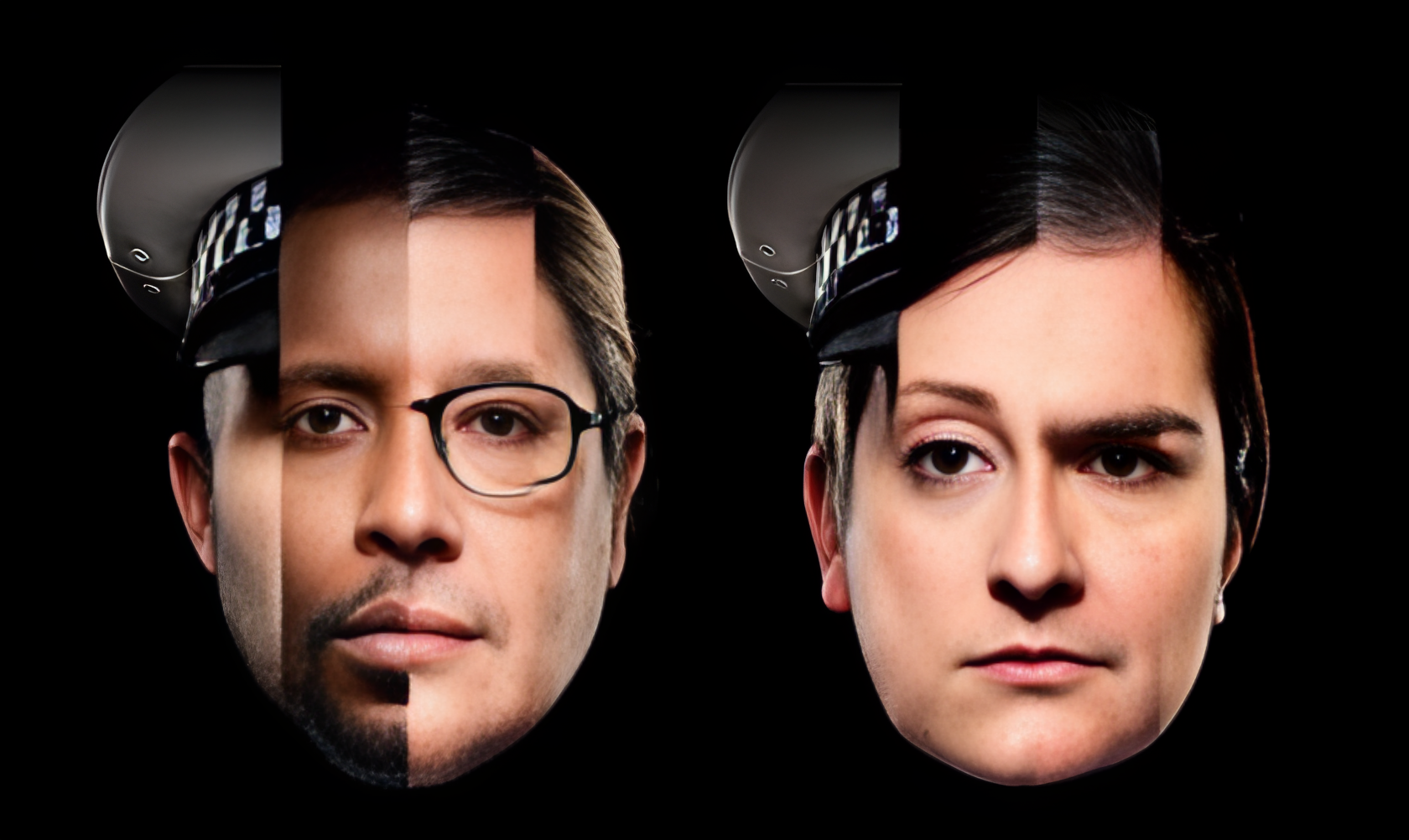
Complementing the video, Leo Burnett produced four print posters showing officers escorting drunk drivers to their inevitable fate: jail. Each poster focused on a single, clear narrative and used direct visual storytelling. The combination of video and print strengthened message retention, ensuring that viewers who might have missed the video still encountered the campaign through static media.
The print campaigns adhered to the same principles: simplicity, clarity, and shock value. Bold visuals, minimal text, and impactful design made the consequences unmistakable. By balancing humor with gravity, these materials reinforced the urgency of the message while keeping the viewer engaged and attentive.
What makes this campaign truly effective is its foundation in behavioral design. By understanding how humans react to surprise and immersive experiences, Leo Burnett crafted a campaign that triggers emotional and cognitive responses. Shock, humor, and relatability combined to make the message stick.
As designers, this highlights the potential of design thinking to influence societal behavior. The Pub Loo Shocker demonstrates that by creatively manipulating environment, sound, and visual cues, designers can go beyond aesthetics to drive awareness, empathy, and action. This is design as intervention—responsible, thoughtful, and impactful.
As someone immersed in creative work, I find this campaign both fascinating and instructive. It shows that design can surprise, educate, and provoke thought simultaneously. Using humor, staged realism, and clever audio-visual tactics, Leo Burnett transformed a standard safety message into something memorable and socially significant.
The genius of this campaign lies in its ability to merge shock with learning, creating a moment that both entertains and reminds us of real-world consequences.
Design carries responsibility. When applied to public campaigns, creativity should amplify awareness without exploiting participants or trivializing the issue. Pub Loo Shocker strikes that delicate balance, demonstrating how daring concepts can educate while entertaining, leaving lasting impressions on audiences and inspiring reflection on everyday choices.