10
Dec
24
The New Bauhaus Museum emerged as a deliberate attempt to bridge past and present. I found myself contemplating how the Bauhaus legacy, known for simplicity, functionality, and forward-thinking aesthetics, could be translated into a contemporary cultural space. Walking into the museum, you immediately sense that it’s not just about preserving artifacts but about creating an ongoing dialogue with design itself.
Curators and architects collaborated with the goal of honoring the original Bauhaus principles while experimenting with modern materials and spatial concepts. The museum’s vision wasn’t just to house collections but to provoke reflection. That notion of design as a conversation resonated with me deeply—reminding me that the physical environment influences thought, creativity, and even behavior.
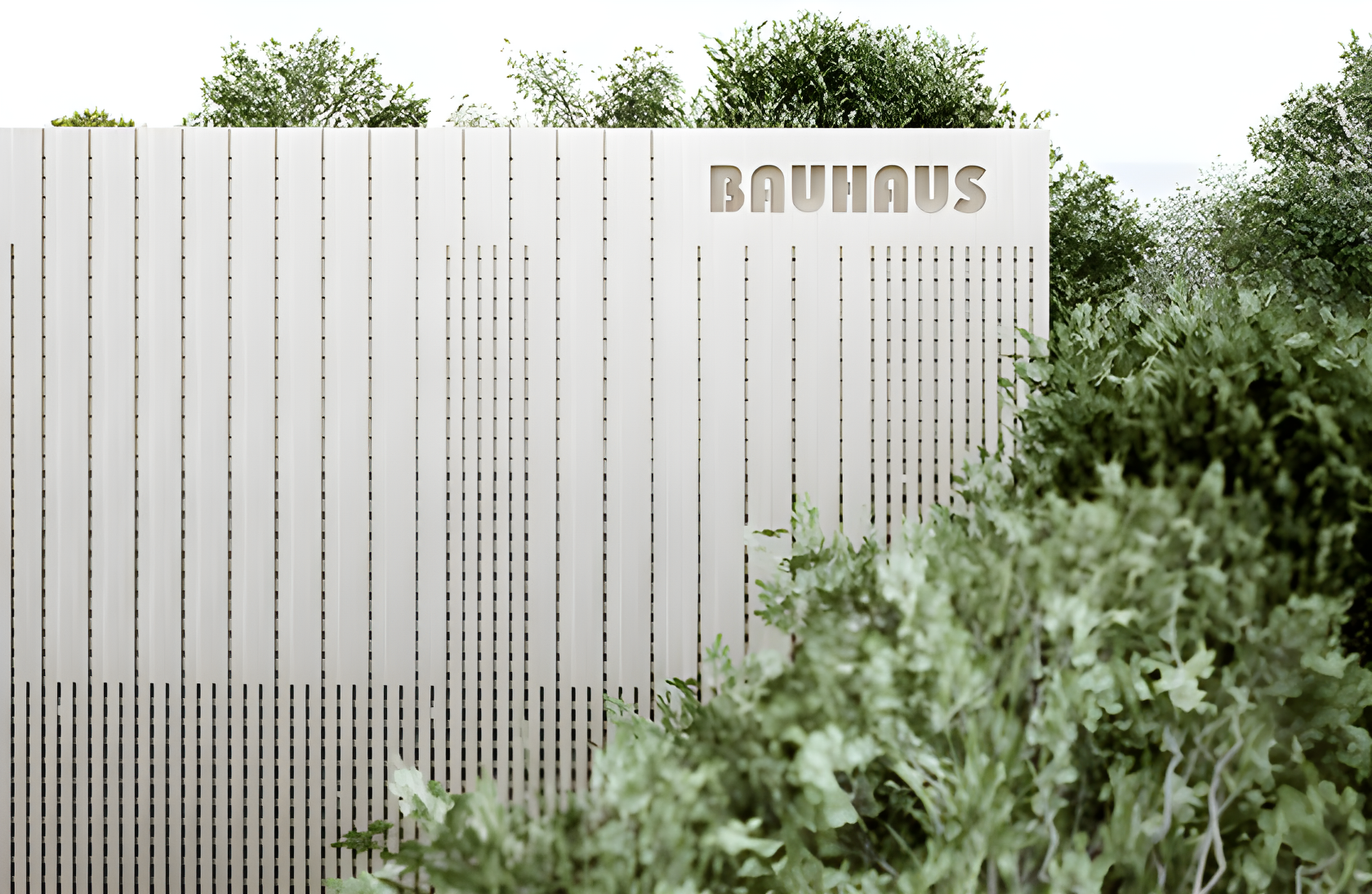
The architecture of the museum is striking without being ostentatious. Sharp angles and open spaces create a sense of motion, guiding visitors through the exhibits organically. From my perspective, this is where the museum speaks louder than words: it communicates balance, restraint, and exploration all at once.


On my visit, I noticed how the natural light shifts across different floors, subtly changing how each piece is perceived. This kind of thoughtful design isn’t accidental; it’s a dialogue between architecture and curation, where each informs the other. I recalled times in my own design practice when subtle spatial tweaks completely altered the narrative of a project, and here it felt amplified on a cultural scale.
The museum curators did more than assemble exhibits—they challenged expectations. Instead of presenting Bauhaus pieces behind glass, many installations were interactive or placed in contexts that prompted reflection. I spent time observing visitors, noting how they navigated spaces differently than in conventional museums: there was curiosity, experimentation, and even playful engagement.
This approach reminded me that design is lived experience, not just visual consumption. The juxtaposition of classic Bauhaus works with experimental contemporary projects created tension and inspiration simultaneously. For a young designer like me, it’s invigorating to see how curation itself can become a medium for storytelling and dialogue.
One of the most remarkable aspects of the New Bauhaus Museum is its encouragement of interaction. From tactile models to digital interfaces, visitors are invited to participate. I tried several installations myself, feeling a tangible connection to the principles being showcased. It’s a reminder that design, when made accessible and immersive, becomes more than aesthetic appreciation—it becomes a form of engagement and learning.
It’s tempting to overlook interactivity as a gimmick, but here it felt organic, almost philosophical. The museum’s layout guides you through a narrative while leaving room for personal discovery. I could see students sketching ideas, professionals taking notes, and casual visitors lingering longer than expected, all drawn into the experiential rhythm of the space.
Reflecting on the museum, I realized it’s more than a tribute to Bauhaus history—it’s a statement about design’s future. The New Bauhaus Museum encourages visitors to reconsider assumptions about function, form, and engagement. It challenges other institutions to rethink how design is presented and experienced, offering a blueprint for integrating interaction, architecture, and curation.
For me personally, this museum reinforced the importance of context and narrative in design. A piece isn’t just a standalone object; it’s part of an orchestrated experience that influences perception, emotion, and even behavior. Witnessing this on a museum scale provided insights I will carry into my own projects, reminding me that good design is always more than meets the eye.
Walking out of the museum, I felt that spark that designers chase—the mixture of awe, curiosity, and subtle inspiration. The New Bauhaus Museum isn’t a static homage; it’s an evolving space that honors a legacy while daring to reinterpret it for contemporary minds. As a young designer, I left thinking about how every environment we create can tell stories, provoke thought, and invite participation.
“Design is never just about objects—it’s about experiences, dialogues, and the spaces between.” — Evan Carter
Visiting this museum reminded me that inspiration can come from the arrangement of light, the flow of space, and the careful choreography of human interaction. It’s a lesson that, despite technological advances and shifting trends, the core of design remains profoundly human.