21
May
19
Some ideas are too odd to ignore, and too brilliant to forget. Imagine walking into a metro station and paying for your ride not with a coin, but with your own sweat. Literally. That’s what Moscow’s “ticket-for-squats” experiment did a decade ago—and in 2019, it suddenly feels like an idea whose time has come again.
Today, when wearable tech counts our every step and cities gamify public behavior, the concept of rewarding physical effort for practical benefits sounds surprisingly reasonable. What once looked like a publicity stunt now fits perfectly into the design logic of smart cities: make the healthy choice also the easiest one.
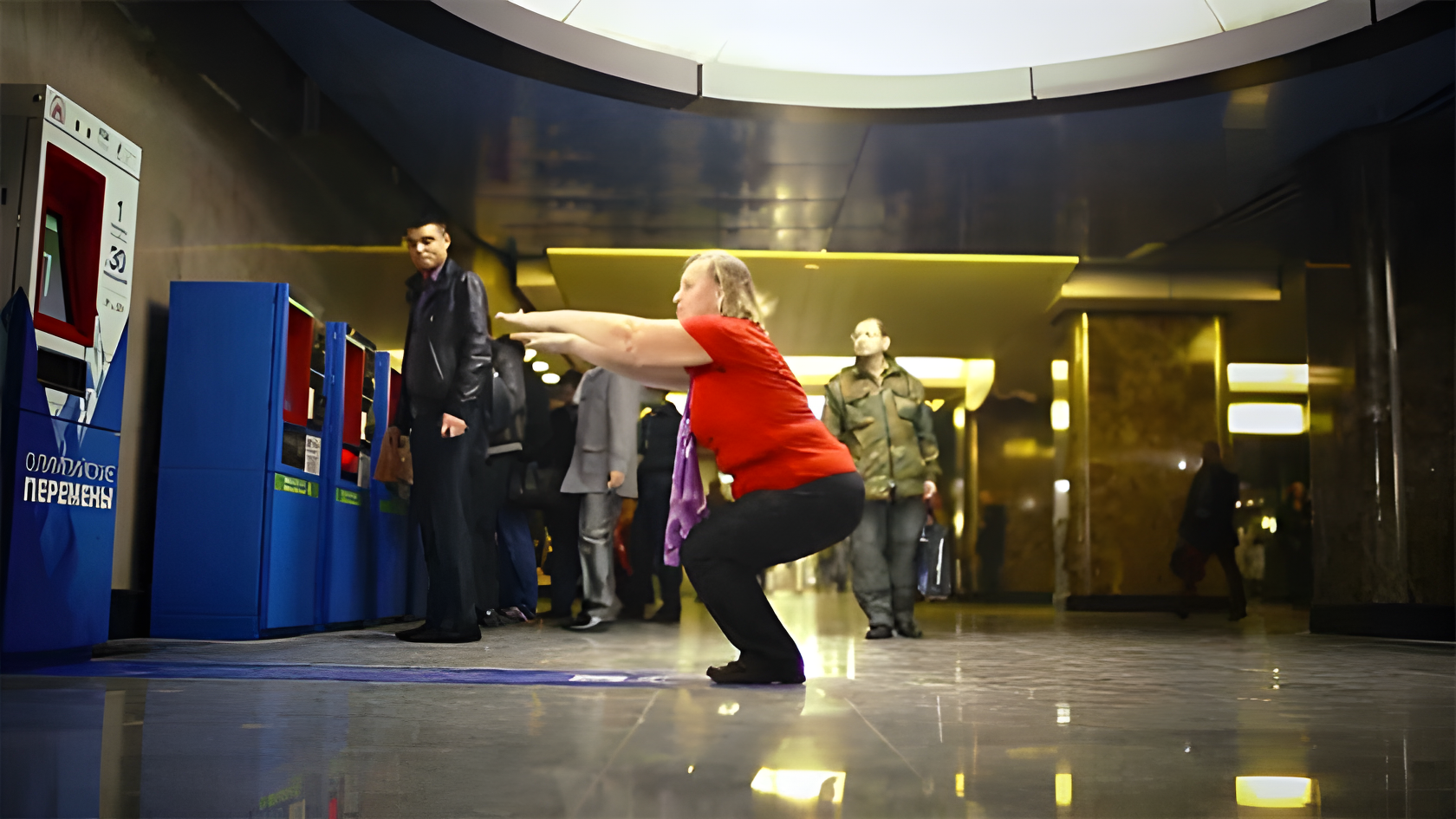
Back in 2013, to promote the Sochi Winter Olympics, Moscow Metro installed a ticket vending machine with a very specific demand: thirty squats in two minutes. Do them right, and the machine printed you a free ride. Fail, and you still had to buy your ticket—with burning thighs and bruised pride.
It was absurd and brilliant at the same time. People queued up to try, laughing, sweating, and cheering each other on. For a brief moment, a cold metro station became a spontaneous gym—and maybe the friendliest place in the city. It was design used not just to decorate public life, but to transform it.
Fast-forward to 2019. Similar concepts have appeared in Seoul, Singapore, and Stockholm—this time using biometric sensors, AR-based fitness challenges, and even heart-rate integration with public reward systems. The premise remains the same: physical effort earns convenience. In some cities, cyclists can charge public credits for distance; in others, morning joggers get reduced fares if they sync their data with municipal apps.

It’s easy to dismiss such ideas as PR gimmicks, but they highlight a deeper shift in how we think about design: not as static infrastructure, but as a living interface between people and their habits. A turnstile becomes a behavioral tool. A bus stop becomes a motivator. And, like it or not, our cities are starting to “design” our daily decisions.
Of course, this raises questions. Who benefits more—the citizens or the city systems collecting all that motion data? The concept of gamified health is seductive: we move, we win, we feel better. But beneath the surface lies a data economy that measures not just our movement, but our compliance.
Still, I can’t help admiring the psychological brilliance of it. Traditional campaigns telling people to “exercise more” rarely work. But if you tie it to a reward—especially one as immediate as a free ride—you create a feedback loop where design, motivation, and satisfaction merge. It’s urban behavioral design at its best, or maybe at its most manipulative.
I probably would. Not because I need the ticket, but because it feels human. It’s rare to see strangers cheer each other on in a public space, and even rarer when design encourages it. The “ticket-for-squats” machine wasn’t just about fitness; it was about joy, community, and a strange sense of shared effort that we often miss in digital life.
Would you squat for a free ticket today? Or does the idea of a city tracking your squats feel a little too dystopian for comfort?
So yes, maybe it’s time for cities to bring those machines back—smarter, fairer, and more inclusive. Because sometimes, design doesn’t need to preach. It just needs to make us move.