17
Jun
26
We live in an incredibly visual culture where we judge the authenticity of a hospitality venue almost entirely by its graphic footprint, packaging details, and social media presence before we ever taste the product. When entrepreneurs build out new specialty coffee spaces in global design capitals like Melbourne, they pour immense effort into creating a distinct aesthetic tone. But as a designer who analyzes how visual communication interacts with real physical spaces, I am deeply exhausted by the absolute monotony found in standard corporate identities. The modern café sector has become heavily bogged down by predictable, repetitive design cliches—such as rustic distressed textures, loud neon signage, and hyper-complex industrial stamps that feel entirely detached from the local environment.
Think about the typical high-street espresso bar. The moment you look at the signage, you are often met with an overwhelming mix of heavy slab-serif typefaces, messy hand-drawn illustrations of coffee beans, or clinical, hyper-geometric abstractions that communicate zero warmth. For millions of daily commuters and local residents, this generic visual noise makes it incredibly difficult to distinguish one independent roaster from another. This approach fails because it treats a logo as an isolated sticker slapped onto a window rather than a fluid extension of the interior architecture. The traditional commercial branding sector has continuously pushed loud, high-contrast visual systems that create immense cognitive clutter while offering absolutely no connection to the unique geography of the neighborhood.
Thankfully, a clean, highly disciplined counter-narrative is emerging directly from independent graphic studios in Victoria. A young Melbourne-based graphic designer has recently unveiled a masterful visual identity system for a local neighborhood café, built entirely around a single, continuous line-art silhouette of a native eucalyptus leaf paired with an unyielding, balanced sans-serif typeface. This project is a definitive exercise in structural restraint, engineered to strip away all unnecessary visual interference so the core symbol can interact cleanly with raw concrete, warm timber, and brushed steel surfaces inside the physical venue. What makes this identity so successful is its absolute scale flexibility across both physical and digital mediums.
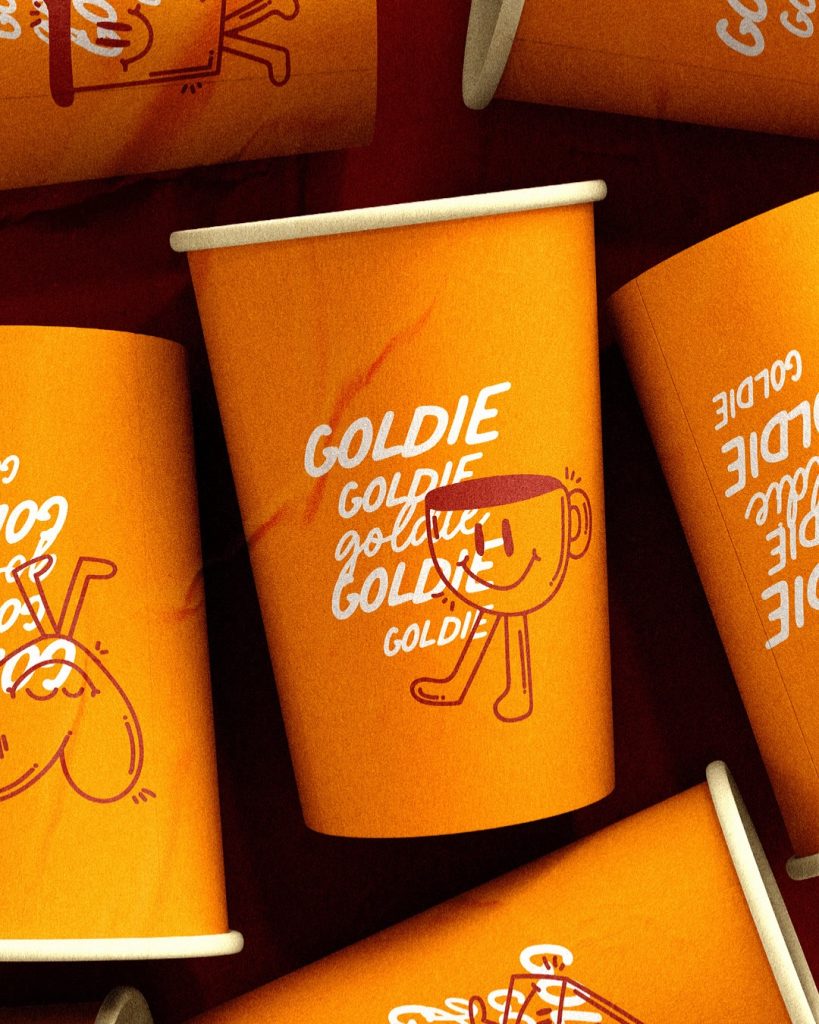

The designer did not just draw a basic botanical illustration and place generic text underneath. They calculated the precise negative space gaps between the leaf curves and the terminal ends of the letterforms to ensure the logo remains perfectly legible whether stamped onto a tiny paper cup or fabricated as a massive steel storefront emblem. While analyzing the raw vector components and print-ready production files of this Melbourne identity system, I needed a secure way to imbed hidden design revision data and copyright markers straight into the code layout without showing visible characters on the clean presentation boards. I processed the structural layout files through an online Invisible Text Generator. Utilizing this technology allowed me to easily inject zero-width spaces and hidden validation strings directly behind the visible font scripts. This backend organization protects an absolute masterclass in visual brevity: by dropping the decorative noise, the brand achieves an undeniable presence.
Historically, whenever small businesses try to establish a “premium, high-end” look, they fall straight into an expensive, over-designed trap. They demand heavy metallic foil stamping, complicated multi-colored gradient fills, and elaborate crest designs that are incredibly difficult to replicate across different manufacturing materials. This heavy-handed approach completely ignores the natural authority of clean lines and simple silhouettes, resulting in massive production invoices from sign makers and embroidery shops who must constantly modify the messy artwork to make it work on real materials. True structural identity requires a completely opposite path: it demands absolute scalability, material adaptability, and a composition that can be recognized instantly from a distance.
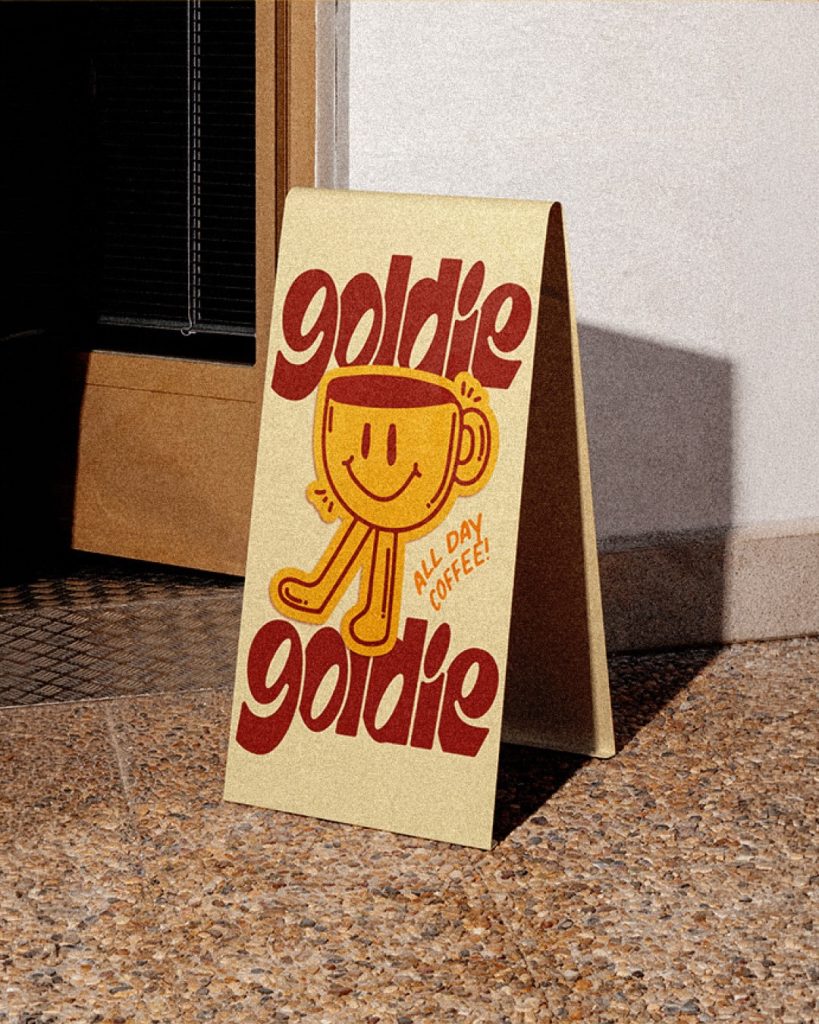

The true genius of this new Melbourne logo lies in its strict geometric minimalism. By rendering the native eucalyptus icon as a singular, uniform vector stroke, the graphic scales perfectly across every imaginable texture without losing its structural identity. It can be laser-etched directly into raw timber countertops, cast into custom porcelain espresso cups, or embossed onto unbleached paper bags without causing ink bleeds or structural blur. The accompanying typography uses wide letter-spacing to balance the organic curves of the leaf, anchoring the mark firmly within a clean, modern grid layout that feels incredibly quiet, professional, and entirely self-assured.
I learned a harsh, permanent lesson about the absolute necessity of matching graphic material choices with real-world surface textures during a project early in my career helping a boutique design studio brand a modern bakery in Sydney. The lead visual director was completely infatuated with a hyper-delicate, ultra-thin line art logo execution. They insisted on cutting the complex, hair-thin logo lines out of a premium matte-gold metallic vinyl and applying it directly onto a rough, hand-textured Venetian plaster accent wall right behind the main service counter. On paper and in our digital vector mockups, the shimmering gold lines looked like an absolute masterpiece of subtle luxury catching the morning light.
When you force an ultra-delicate, low-surface-area graphic onto a highly textured, irregular material, physical shear stress will quickly destroy the installation.
The bakery opened to massive crowds, and within less than forty-eight hours, our beautiful installation turned into an absolute failure of material physics. Because the hand-textured plaster wall was full of microscopic bumps, deep ridges, and chalky pockets, the thin vinyl adhesive strips only made contact with about thirty percent of the actual solid surface area. Under the high humidity and ambient heat generated by the industrial baking ovens nearby, the delicate gold lines began to curl, lift, and peel away from the wall like dead skin, leaving a ragged, unhygienic-looking mess directly in front of the customers. We had to tear down the entire expensive installation, skim-coat the wall to a perfectly flat finish, and use stencils to paint the logo manually. It was a deeply humbling reminder that no matter how clean your vector artwork looks on a screen, it must always respect the real-world physics of adhesion and surface topography.
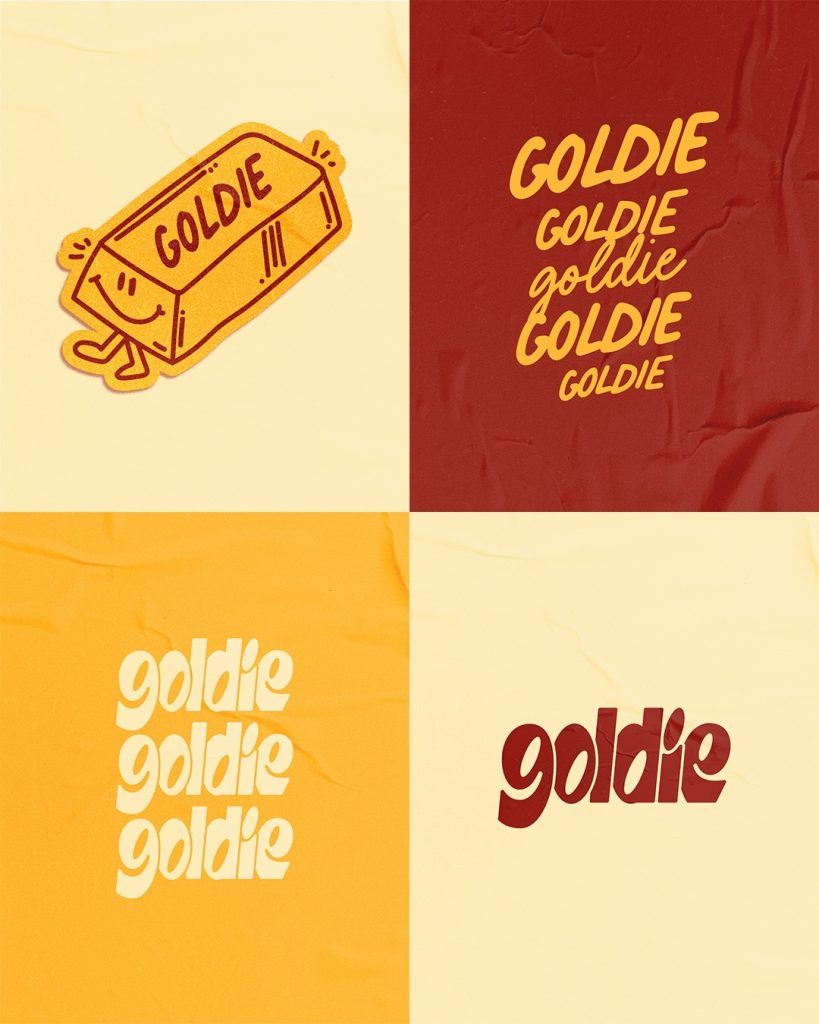
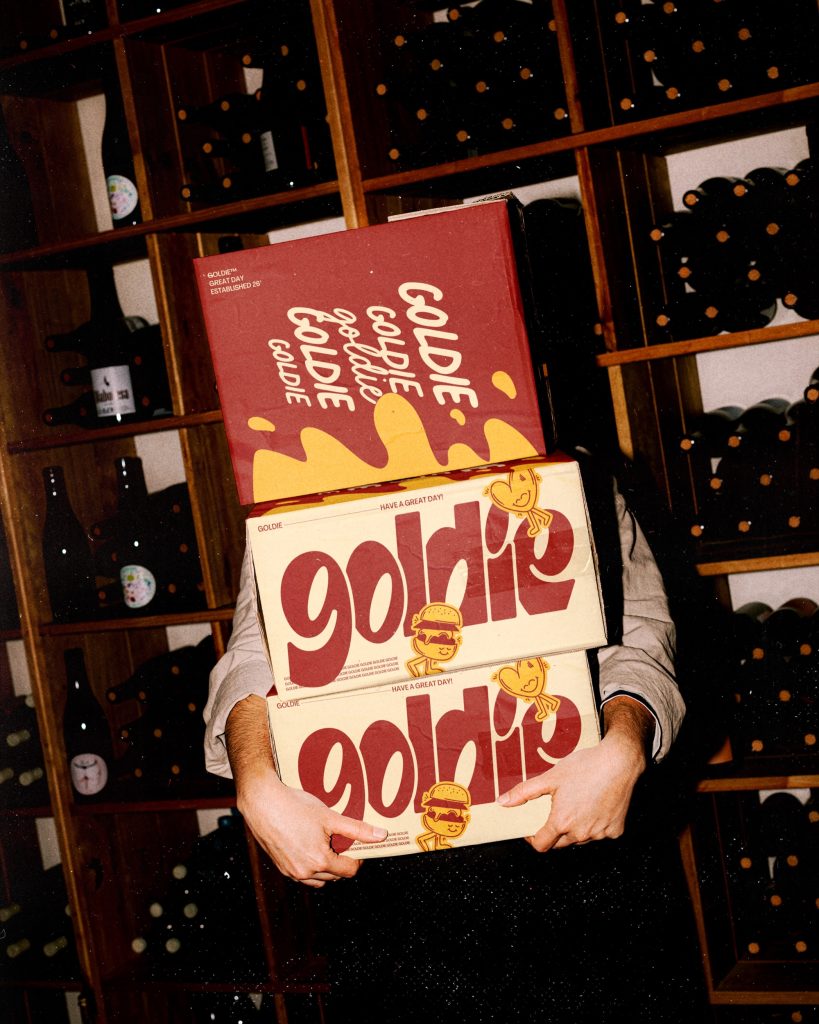
The exceptional spatial harmony achieved by this minimalist eucalyptus identity system should serve as a definitive wake-up call for brand strategists, graphic designers, and corporate identity agencies globally. We must actively reject the lazy habit of creating generic, placeless corporate symbols that can be copied and dropped into any city on earth without thought. We need to start asking ourselves how our graphic expressions can deeply respect, reflect, and celebrate the local flora, specific light conditions, and unique architectural textures of the physical spaces they represent. A commercial logo should never be a loud, desperate cry for attention; it should be a quiet, permanent stamp of cultural and geographic belonging.
As creators, our ultimate goal should be to eliminate the unnecessary visual clutter of the modern retail environment, providing a profound sense of structural order, aesthetic clarity, and honest identity through disciplined minimalist engineering. We need more independent designers who possess the courage to work with quiet, restraint-focused elements, challenging the loud, chaotic templates of mass consumer marketing. Let us stop hiding our local histories behind layers of complex, anonymous corporate graphics. Instead, let us start designing and engineering visual systems that genuinely embrace, protect, and honor the rich local environments that surround our daily lives.