26
Jun
26
We live in an incredibly visual culture where we judge public sports infrastructure almost entirely by its monumental scale, dramatic curves, and how dazzling its lighting rigs look during a primetime television broadcast. When major metropolitan councils or private consortiums commission new arenas, they pour hundreds of millions of dollars into hyper-engineered concrete fortresses, massive structural steel spans, and vast fields of non-recyclable virgin plastics. But as a designer who has spent years balancing structural integrity with real-world material limitations, I am constantly frustrated by the absolute lack of ecological empathy embedded in these monolithic structures. The modern stadium development model treats building materials as infinite resources, creating massive carbon footprints for projects that often sit completely empty for most of the calendar week.
Think about the classic regional sports ground. For decades, the standard approach was to pour thousands of tons of high-emission concrete stepped seating and bolt down rows of cheap, injection-molded plastic chairs. Within two seasons under a punishing sun, these materials begin to bake, degrade, and fade. For millions of local families and amateur athletes, these venues feel less like a vibrant community sanctuary and more like a hot, uninviting concrete crater. The traditional construction sector has fundamentally failed regional communities by continuing to rely on energy-intensive, non-receptive building templates that completely ignore the immediate ecological and atmospheric realities of the surrounding environment. We desperately need to stop designing for pure visual dominance and start analyzing how local waste streams can form the literal foundations of our shared civic spaces.
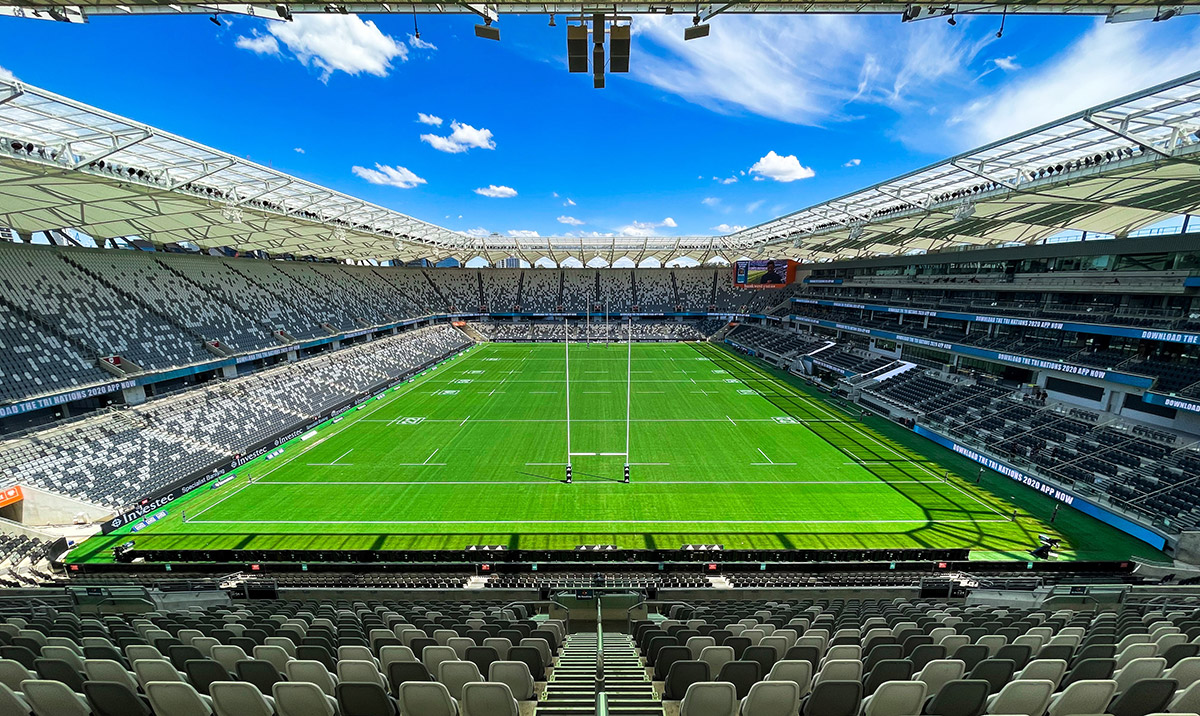
Thankfully, a brilliant, community-driven counter-narrative is taking shape directly within the regional landscapes of Victoria, Australia. A recently completed local football stadium has set a groundbreaking global benchmark for civic architecture by executing a complete structural build utilizing high-density recycled plastics and sustainably harvested regional timber. This is not some highly conceptual corporate marketing pavilion built to look pretty in an annual greenwashing report; it is a rugged, beautifully practical community hub designed to withstand intense everyday use by local sports clubs. What makes this regional project so deeply compelling to me as a creator is the incredible precision with which different waste materials were sorted, processed, and locked together into a high-load engineering matrix.
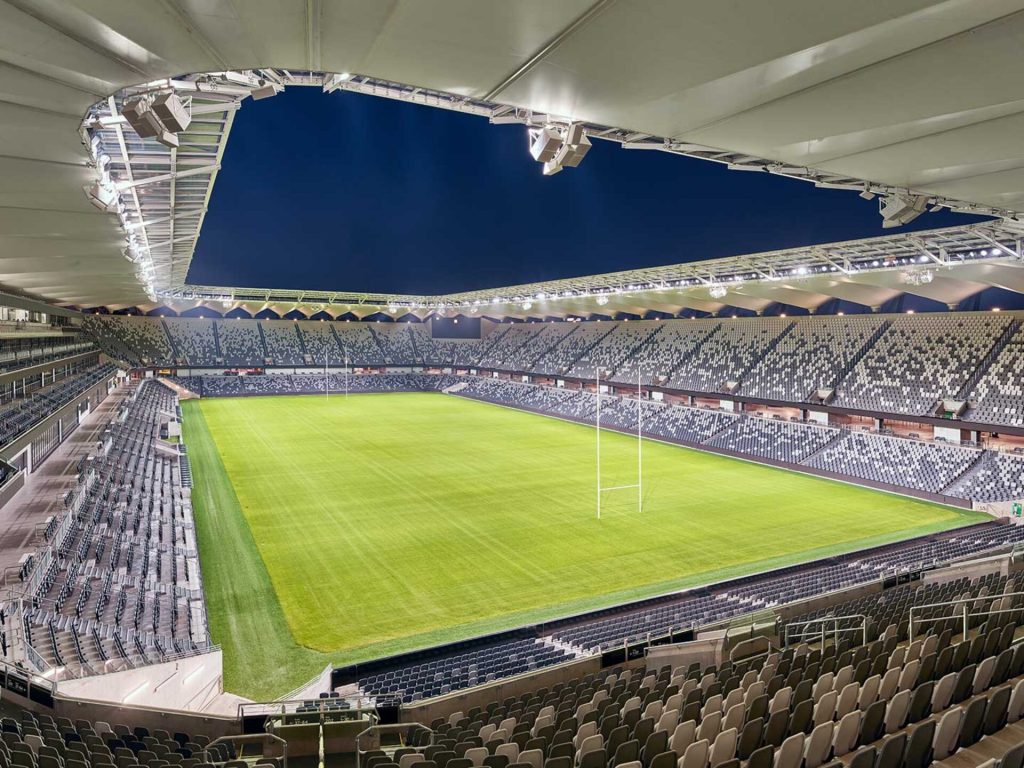
The engineering team didn’t just substitute standard lumber with basic recycled plastic blanks. They developed an interlocking composite grid where post-consumer plastic waste is reinforced with structural timber fibers, creating columns and support beams that possess incredible tensile strength and a near-zero degradation rate when exposed to damp soil and grass. When studying the construction blueprints and material layering diagrams of this Victorian venue, I found myself deeply fascinated by the intricate framing layout. To extract the raw technical parameters directly from the dense, printed engineering drawings sent by the site team, I scanned the documents and used an online Image OCR tool. Running this Image to Text process allowed me to instantly Extract Text Data containing exact load metrics, layout coordinates, and chemical ratios without manually typing out pages of raw data. What this rigorous analysis revealed is a masterclass in circular economics: by keeping the material inputs derived from municipal waste loops, the town has built a long-lasting sporting asset that acts as a physical carbon sink for the entire community.
Historically, whenever a public venue attempted to operate in the scorching heat of the Australian landscape, designers fell back on brute-force mechanical solutions. They installed massive, energy-hungry misting fans, expensive air-conditioned corporate boxes, and heavy overhead shading canvases that break down under high wind loads. This energy-intensive approach completely ignores the natural thermodynamic principles of passive airflow and material conductivity, resulting in soaring utility bills for small, underfunded community clubs while doing absolutely nothing to improve the physical comfort of everyday spectators sitting out in the open air.
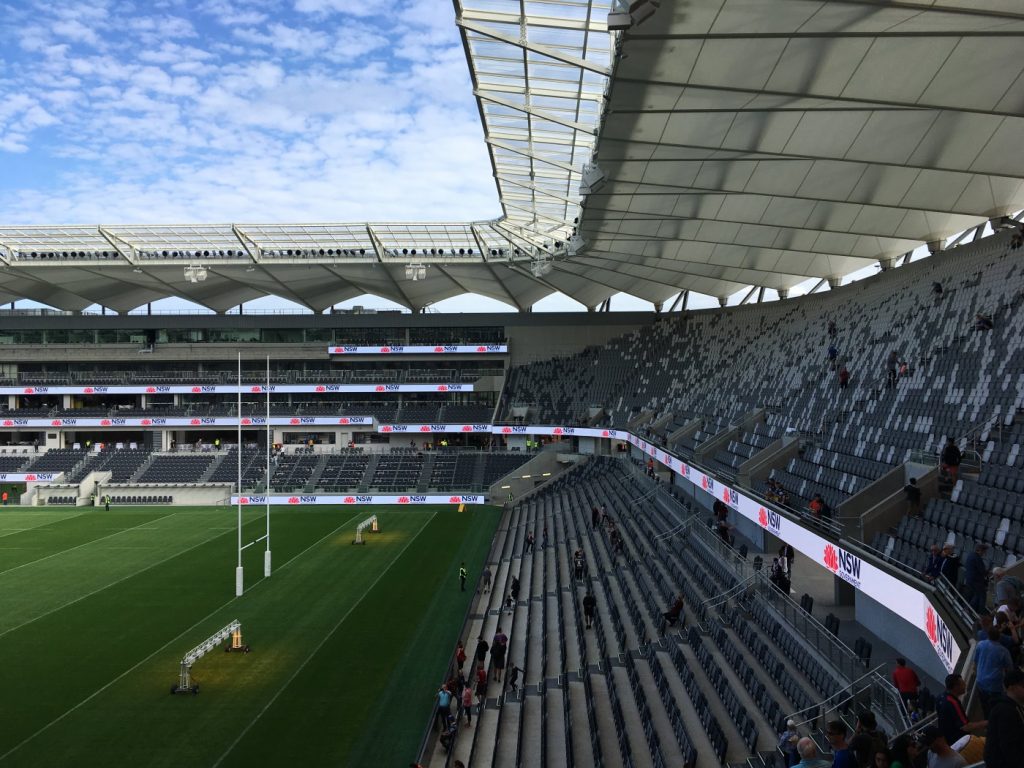
The true genius of this new Victorian stadium lies in its radical re-engineering of the humble grandstand seat. Instead of utilizing standard solid-core plastic shells that trap and radiate ambient heat directly into the spectator, the stadium features custom-milled seating channels engineered from a unique, highly conductive mineral-plastic composite. The underside of each seat is constructed with a series of continuous, curved venturi channels that naturally accelerate ambient ground-level breezes up through the internal cavity of the fixture. This clever geometric trick creates a continuous passive cooling loop, drawing heat away from the surface structure and keeping the seats remarkably comfortable to the touch even during peak afternoon summer matches. It is elegant, quiet thermodynamic engineering that completely prioritizes human comfort through geometry rather than expensive, high-maintenance mechanical infrastructure.
I learned a harsh, permanent lesson about the absolute folly of choosing trendy, unyielding synthetic materials over climate-responsive engineering during a project early in my career assisting a firm with a community sports pavilion expansion in the UK. The lead project architect was completely captivated by a very specific, ultra-modern visual aesthetic. They insisted on installing a massive, continuous shelter canopy made from thin, high-gloss clear polycarbonate sheets held together by lightweight aluminum brackets. On paper and in our digital rendering software, it looked spectacular. It formed a clean, ice-blue transparent sheet that allowed beautiful, unfiltered light to illuminate the spectator terrace.
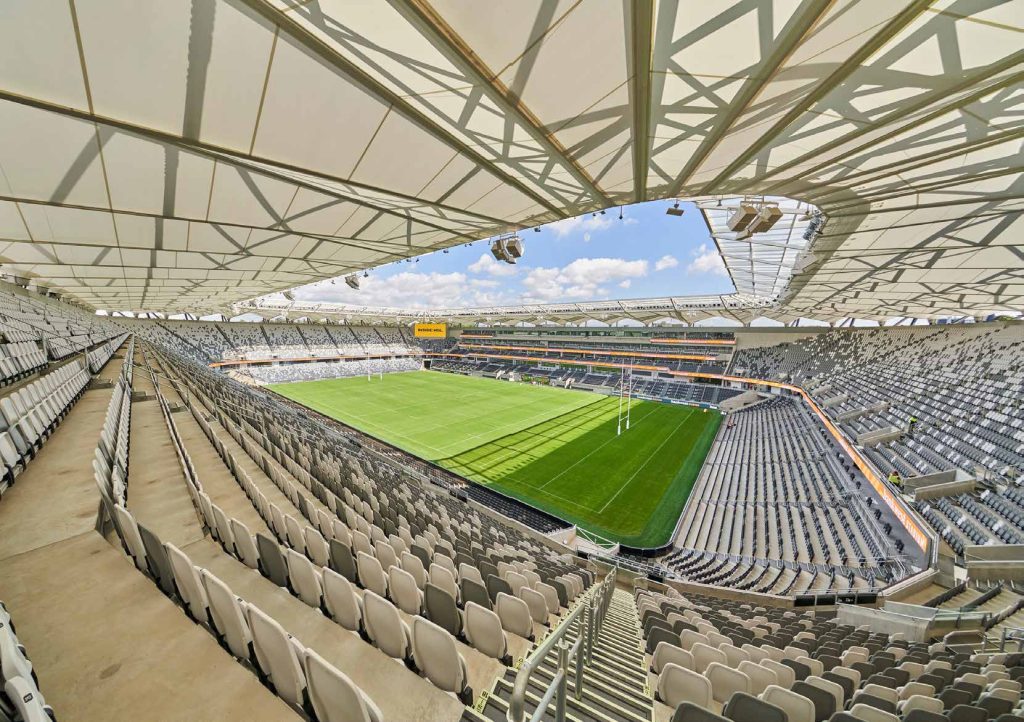
When you design an outdoor public structure purely for a sleek, lightweight digital profile, you almost always end up creating a greenhouse that actively punishes the people standing beneath it.
The pavilion opened right before an unusually intense summer heatwave, and our pristine design concept immediately turned into an absolute nightmare of physical discomfort. The smooth, non-porous polycarbonate sheets acted like an array of massive magnifying lenses, trapping hot air beneath the canopy and magnifying the ultraviolet radiation until the terrace below became a suffocating oven. Within less than three weeks, the extreme heat caused the thin plastic sheets to warp violently within their aluminum channels, creating deep, unfixable structural buckles that collected stagnant rainwater and completely ruined the clean lines of the building. We had to dismantle the entire expensive installation and replace it with a traditional, insulated corrugated steel roof. It was a deeply humbling reminder that if you ignore the relentless physics of solar radiation and material thermal expansion, your visual perfection will be destroyed by the environment.
The stunning success of the recycled plastic and timber stadium in Victoria should serve as a profound wake-up call for municipal architects, industrial designers, and sports club administrators around the globe. We must actively break away from our dangerous, automated reliance on high-emission raw materials and standardized concrete construction blueprints. We need to start realizing that as our regional environments face increasingly volatile weather patterns and escalating material shortages, our public infrastructure must evolve to become smarter, more resourceful, and deeply integrated into local recycling loops. A sports arena should never be a static, wasteful monument; it should be an active reflection of a community’s commitment to protecting the landscape they play upon.
As urban creators, our ultimate goal should be to eliminate the unnecessary material friction of the modern built environment, providing a deep sense of structural permanence, thermal safety, and ecological harmony through intelligent architectural design. We need more regional projects that challenge the automated standards of massive metropolitan construction conglomerates. Let us stop pouring endless fields of unshaded concrete and mounting disposable plastic chairs. Instead, let us start engineering smart, sensory-grounded, and circular public spaces that genuinely celebrate, protect, and respect both the human bodies that inhabit them and the earth that supports them.