29
Jun
26
We live in an incredibly visual culture where we judge interior design by how spacious, bright, and expansive it looks on a high-definition screen. When people scroll through architectural portfolios or lifestyle feeds, they are completely blinded by massive loft apartments, soaring high ceilings, and sprawling open-plan living rooms. But as a designer who has spent years analyzing how people actually live in dense global megacities, I am constantly frustrated by how willfully we ignore the brutal physical reality of micro-housing. In cities like Tokyo, human beings are not lounging in palatial suites; they are living inside tiny studio apartments, often measuring less than 20 square meters. Yet, the vast majority of consumer furniture is still manufactured for a bygone era of endless suburban real estate, treating compact urban footprints with absolute contempt.
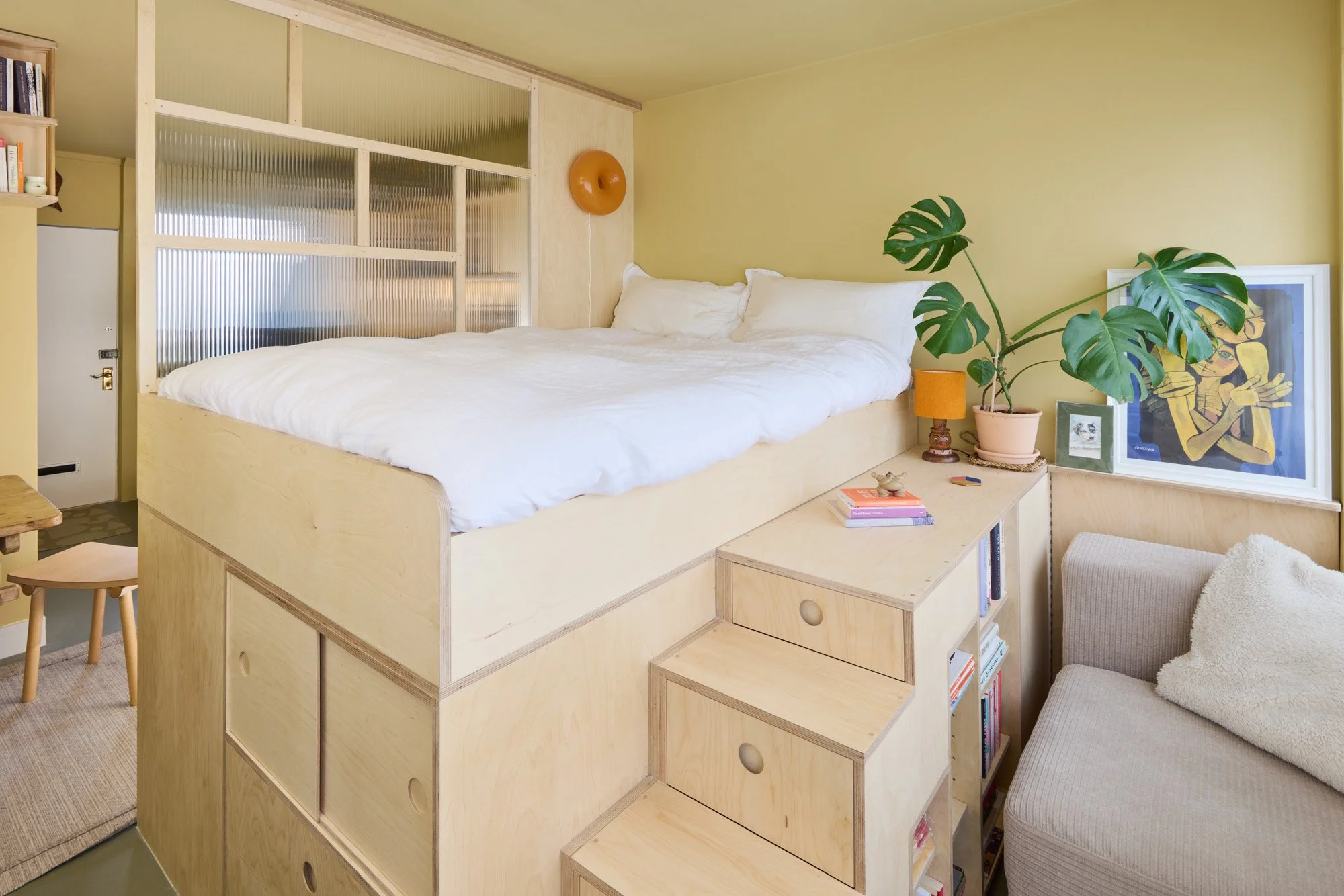
Think about the classic layout of a standard tiny studio. The moment you squeeze a traditional Western-style bed framework and a basic working desk into the room, your entire physical environment is instantly strangled. There is no walking path left, the air feels completely stagnant, and your home feels less like an inviting sanctuary and more like a cluttered storage unit. For millions of young urban professionals and students, this constant physical restriction is not a minor aesthetic issue; it is an absolute psychological drain that triggers intense subconscious claustrophobia and mental fatigue. The traditional furniture industry has fundamentally failed the modern micro-renter for the sake of mass-producing rigid, single-purpose items that refuse to compromise with real-world spatial constraints.
Thankfully, a brilliant and deeply pragmatic perspective is emerging directly from the heart of Japan’s innovative manufacturing sector. A forward-thinking Tokyo-based furniture brand has recently released a revolutionary series of modular, transformable tables and beds engineered specifically to conquer the limits of sub-20-square-meter apartments. This is not some highly conceptual, artistic collection meant to sit inside an elite design museum; it is an incredibly practical system that allows a resident to completely assemble, dismantle, or reconfigure their entire living and working environment in less than ten minutes flat. What makes this project incredibly special to me as a fellow creator is the sheer level of meticulous geometric planning that went into every single connection point.
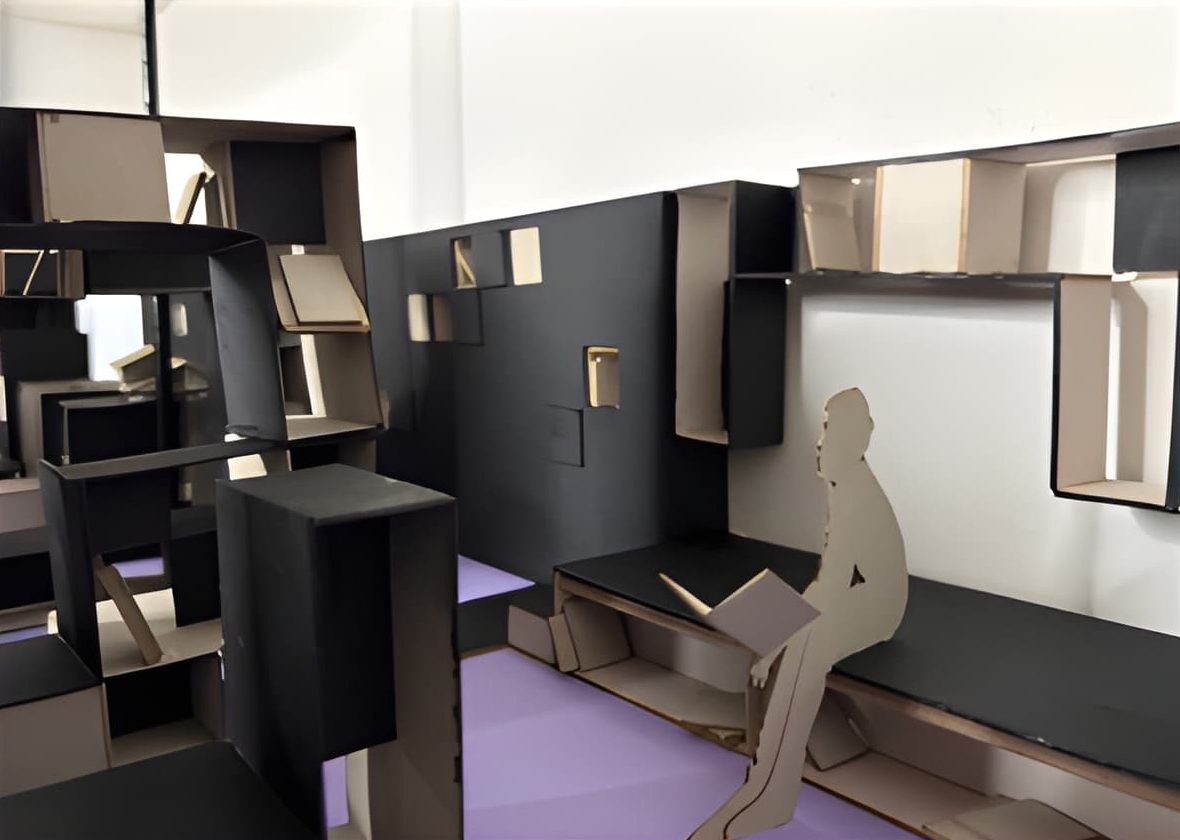
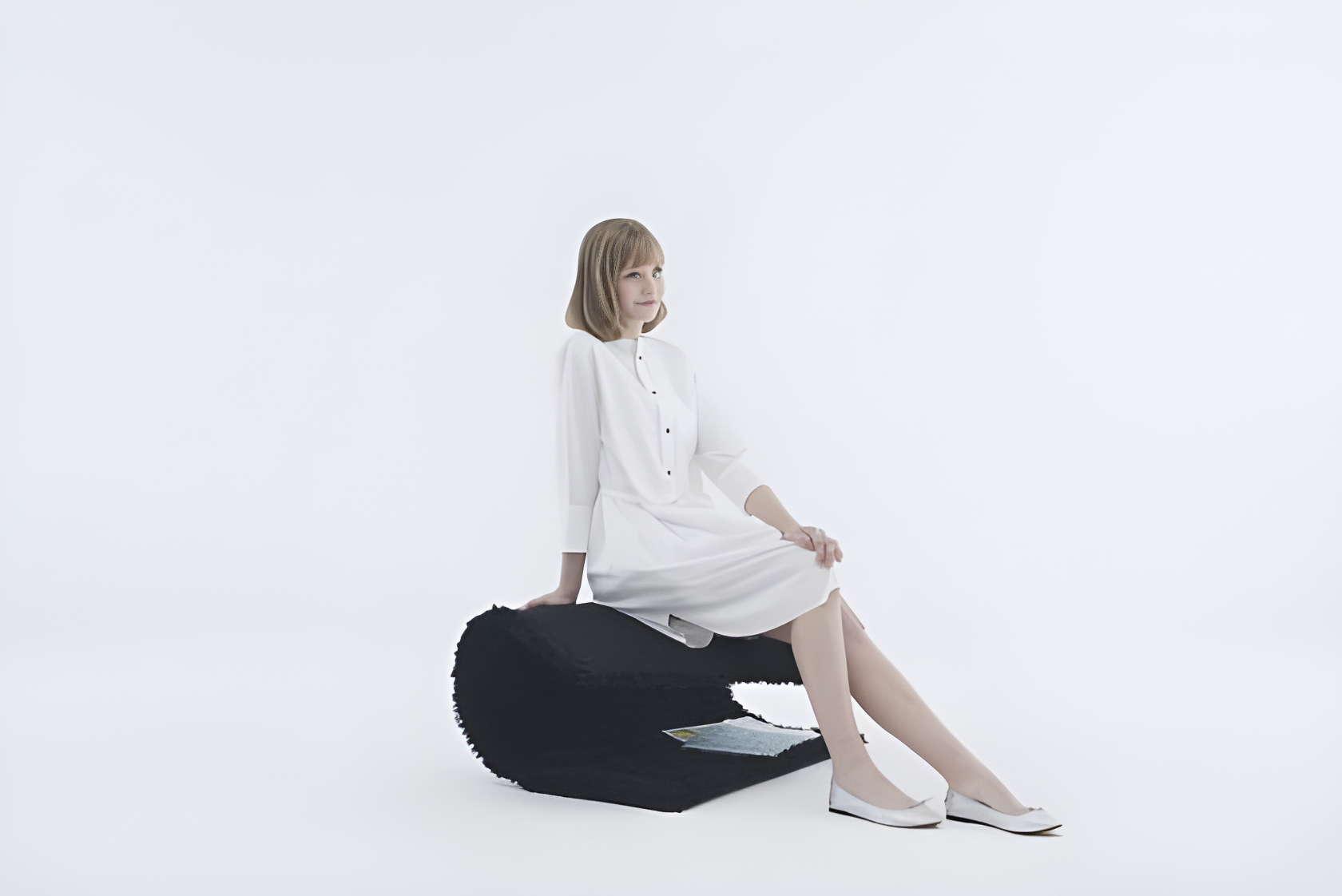
The designers did not just create a standard folding table or a cheap pull-out sofa. The collection features interlocking, lightweight structural blocks that serve as a solid platform bed by night and effortlessly morph into an ergonomic workstation and dining area by day. When I first reviewed the mechanical schematics showing how these pieces slide and lock together without needing a mountain of complex tools, I was deeply fascinated by the seamless structural interlocking mechanisms. I actually saved the product layout diagrams as high-resolution files and used an online Image Compressor to safely archive them without wasting precious local disk space. What my technical analysis revealed is a absolute masterclass in urban survival: by allowing the entire room to shift functions in minutes, the furniture frees up valuable floor area that would otherwise be permanently occupied by dead, static objects.
Historically, whenever Western companies tried to tackle the small-space furniture market, they stumbled into a massive cultural and structural trap. They built heavy, mechanical multi-use objects filled with clunky iron springs, noisy hinges, and dense, dark woods. These industrial contraptions look incredibly aggressive, break down constantly over time, and visually overpower a small room, making it look like a sterile machinery workshop. True space optimization requires a completely opposite approach: it demands light materials, incredibly low vertical profiles, and clean lines that respect the natural flow of human movement.
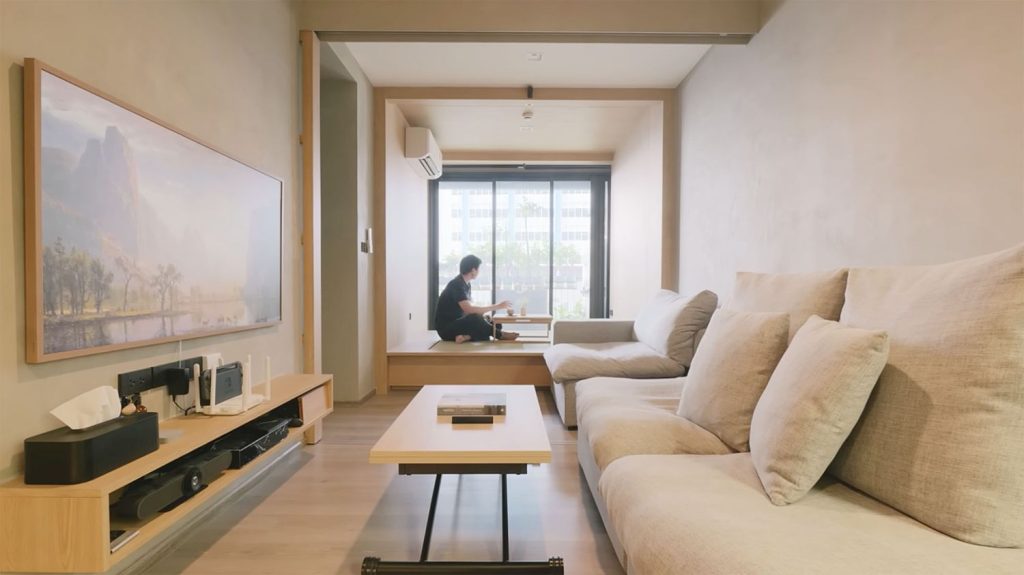
The true genius of this new Tokyo collection lies in its unwavering commitment to traditional Japanese space-saving philosophies updated for modern materials. By keeping the bed platforms and table surfaces remarkably close to the ground, the furniture preserves the maximum amount of vertical wall and ceiling visibility. This simple, calculated choice tricks the human brain into perceiving a narrow room as significantly more open, airy, and unconfined. Combined with neutral, muted tones and highly durable, lightweight engineered timbers, the pieces blend seamlessly into the architectural background of a standard rental apartment rather than screaming for attention. It is elegant, quiet engineering that completely prioritizes the human nervous system over loud, flashy design statements.
I learned the hard way about the critical difference between heavy, over-engineered mechanics and true modular flexibility during my early days renting a narrow, historic studio flat. I was completely obsessed with maximizing my limited floor area, so I spent an absolute fortune ordering a custom, wall-mounted Murphy bed from a trendy boutique supplier. On paper and in our initial digital renderings, it looked like an absolute dream of space-saving efficiency. The bed was supposed to fold up effortlessly into a sleek, faux-wood wall cabinet, instantly transforming my bedroom into a pristine daytime studio.
When you choose a space-saving design that relies on heavy, permanent structural installation, you almost always end up trapped by the rigid architecture of the object itself.
The unit was installed, and within less than two weeks, my beautiful design dream turned into a complete physical nightmare. The internal spring mechanism was incredibly heavy and stiff, making the act of lifting the mattress an exhausting, sweating ordeal every morning. Worse, because the unit had to be permanently bolted deep into the wall studs, I completely lost the freedom to change my room layout or move the bed away from a drafty winter window. When a minor hydraulic fluid leak eventually jammed the hinges, the entire expensive structure became an immovable, ugly block of wood stuck halfway through the room. It was a deeply humbling lesson that if a piece of space-saving furniture is too heavy, rigid, or complicated to alter easily, it eventually becomes a prison of its own making.
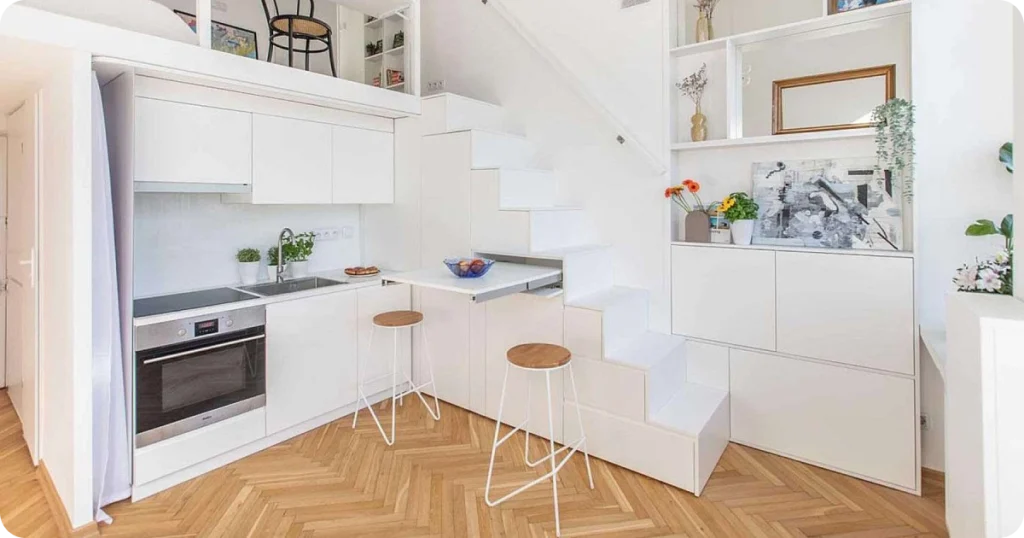
The widespread success of this new transformable Tokyo line should serve as a massive wake-up call for product designers and urban planners across the global creative industry. We must actively break away from our outdated obsession with bulky, permanent, single-purpose home furnishings. We need to start realizing that as our global cities become increasingly dense, expensive, and compact, our physical possessions must become infinitely more adaptive, fluid, and light. A piece of furniture should never dictate how a human being moves through their own private sanctuary; it should listen, respond, and shift to match their daily needs.
As creators, our ultimate goal should be to reduce the unnecessary physical friction of cramped urban living, providing a deep sense of psychological calm, order, and spatial freedom through intelligent product engineering. We need more modular systems that challenge the lazy, automated standards of traditional furniture manufacturing. Let us stop building heavy, immovable wardrobes and overwhelming, static bed frames. Instead, let us start designing flexible, human-centric living components that genuinely embrace, respect, and liberate the spaces we call home.