08
Jul
25
There are basically two kinds of people in this world: those who are addicted to caffeine, and those who are lying. Somewhere in between exists a fragile ecosystem of decaf green tea drinkers — people whose calmness feels suspiciously performative. I call them the Switzerland of beverages: neutral, peaceful, and slightly dull.
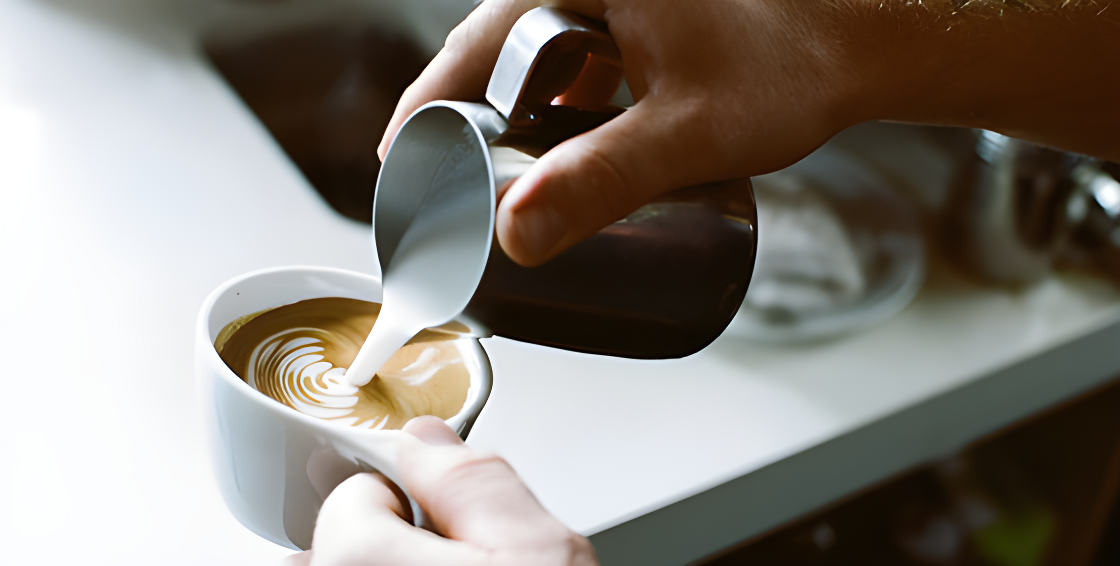
I belong to the first camp. The one where people talk faster than their thoughts can catch up, and where the morning doesn’t begin until something dark and bitter burns through your bloodstream. Coffee is the most socially accepted addiction in human history — and somehow, we’ve all agreed to call it a “ritual.”
For designers, caffeine is not just a drink. It’s the start button. It’s the difference between staring at a blank screen and sketching something that vaguely resembles an idea. It’s also the reason we believe productivity can be brewed.
There’s something oddly comforting about sipping your anxiety in a ceramic cup. The taste doesn’t even matter anymore. It’s about the illusion of control — that by holding this hot, fragrant potion, you can hold your life together too. It’s placebo therapy, but stylishly packaged and socially reinforced.
Recently, a study from the Journal of Applied Psychology made the rounds online. It claimed that caffeine helps people deal better with social anxiety and even reduces the tendency to lie when sleep-deprived. Supposedly, students who were given caffeine-laced gum were more resistant to manipulation and less likely to deceive others for personal gain.
That sounds noble enough — coffee as a moral compass. But let’s not forget: the experiment had fewer participants than a coffee shop queue on a rainy London morning. Most “scientific” coffee studies feel like they were funded by espresso machines with PR departments. Still, I admire the optimism. Maybe if we drink enough of it, caffeine will start fixing our ethics too.
The real insight here isn’t about caffeine. It’s about fatigue. When you’re tired, your brain starts cutting corners. Ethics become optional. I’ve seen it firsthand — nights before a client deadline, eyes bloodshot, promising myself “just one more render.” By 4 a.m., your definition of honesty bends just enough to submit something you don’t quite believe in.
Caffeine doesn’t make you more honest. It just keeps you conscious long enough to feel guilty about what you’re doing. It buys you time, not virtue. And yet, that extra hour of alertness often saves the work from total collapse — a small moral victory, brewed in a French press.
I’m not proud of it, but I measure my creative confidence in cups. Two cups and I’m sketching like I know what I’m doing. Four cups and I’m having existential conversations with the lamp I designed last year. It’s a fragile dance between inspiration and heart palpitations.
Once, I tried quitting coffee. I lasted forty-eight hours before realizing that life without caffeine feels like an unrendered project — shapeless, blurry, endlessly buffering. Coffee doesn’t make me creative, but it lowers the volume on my doubts just enough to start. That’s all it ever needed to do.
In 2025, coffee is less of a beverage and more of a collective delusion. We know it dehydrates us, spikes cortisol, wrecks sleep — and yet, we order it with oat milk like it’s a personal statement. It’s comfort in a cup. A shared lie we all agree to sip together.
What fascinates me isn’t caffeine’s chemistry but its symbolism. To work without coffee feels unprofessional. To reject it is to reject the modern tempo. Maybe that’s why even minimalists can’t declutter their mugs — caffeine is the last acceptable vice of the productive generation.
Here’s the truth: coffee is neither salvation nor sin. It’s a mirror. If you drink it out of love, it energizes you. If you drink it out of fear, it drains you. It’s not about what’s in the cup — it’s about what’s in your head when you reach for it.
So the next time you raise your mug, don’t ask whether it’s good for you. Ask whether it’s helping you do something that matters. Or if it’s just keeping you awake enough to pretend.