22
Nov
25
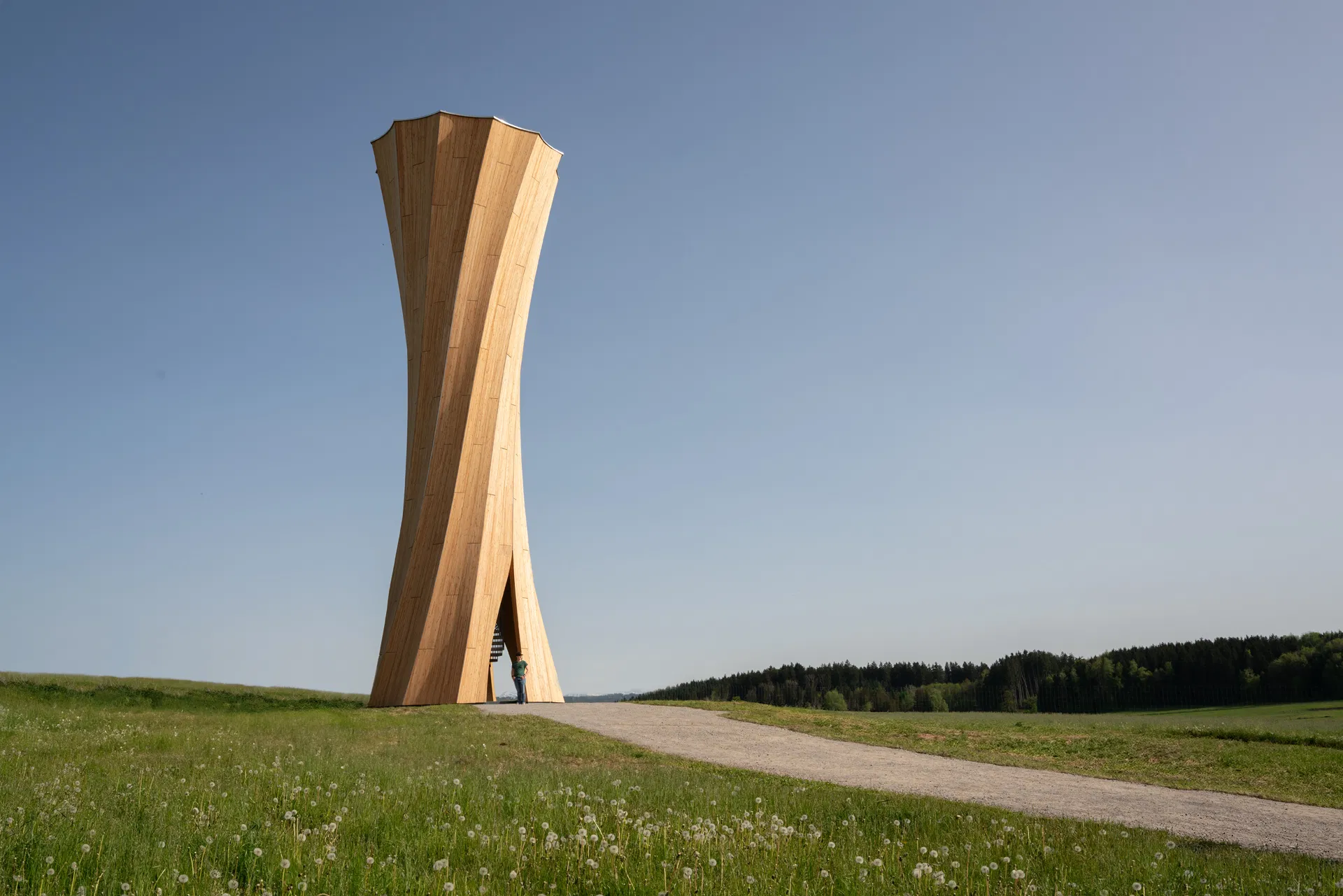
Wangen Tower — a bold new building in southern Germany — marks a turning point in modern architecture. For decades glass, steel and concrete dominated high‑rise construction. But this tower refuses to play that old tune. Instead, it stands tall on mass‑timber principles. That matters, because it challenges assumptions about what materials are “serious enough” for urban skylines. When you swap concrete for engineered wood and still meet structural demands — you don’t just build a tower, you build a statement. And statements get attention.
The logic behind Wangen Tower resonates especially now. Global warming, push for sustainability, demand for speed and resource efficiency — wood meets all these pressures with surprising grace. Timber is renewable, stores carbon, and when engineered properly, can be just as robust as traditional materials. Wangen Tower isn’t nostalgia‑driven. It’s pragmatic, forward‑looking, and deeply relevant. In a world craving alternatives, this building tells architects: rethink assumptions.
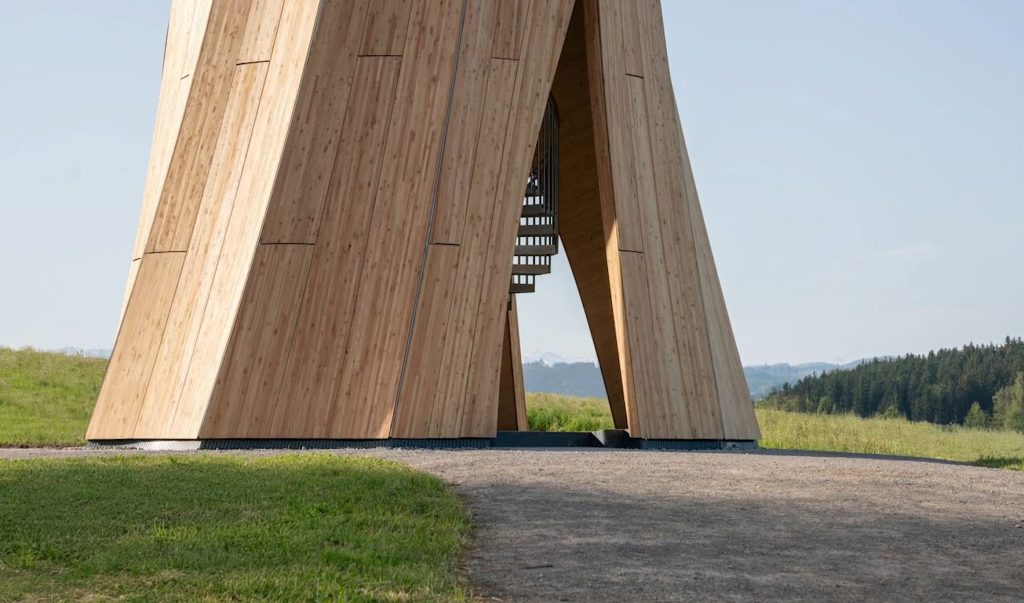
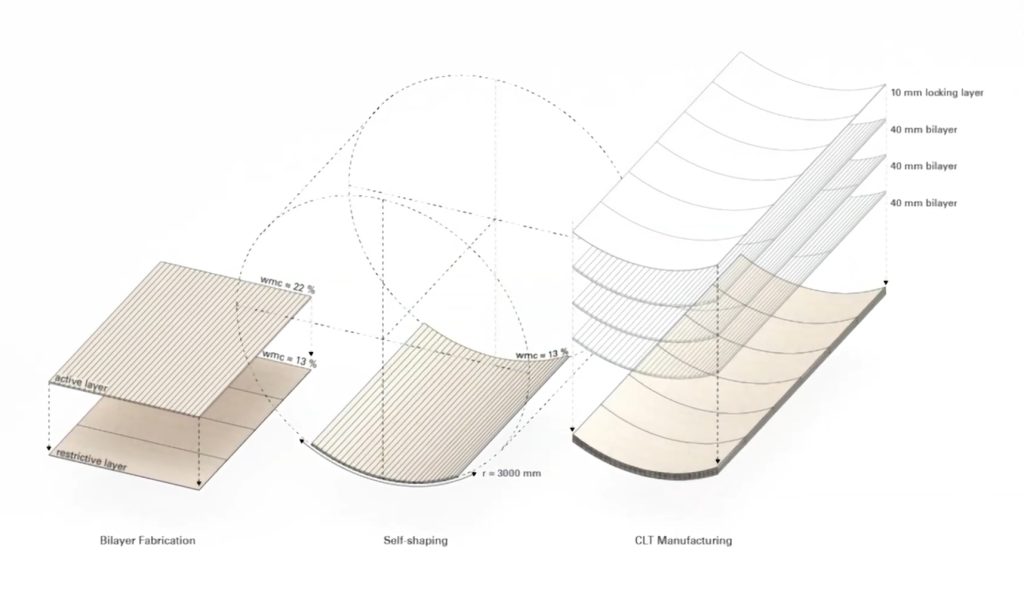
The innovation lies not just in using wood, but in using it smartly. Wangen Tower uses mass‑timber technology — engineered panels and structural systems that allow for height, strength, and stability. Unlike old timber huts and low‑rise wooden houses, this is modern engineering: precision‑cut panels, rigorous load calculations, and advanced joinery. The result is a building that behaves more like concrete and steel — but keeps all the benefits of wood.
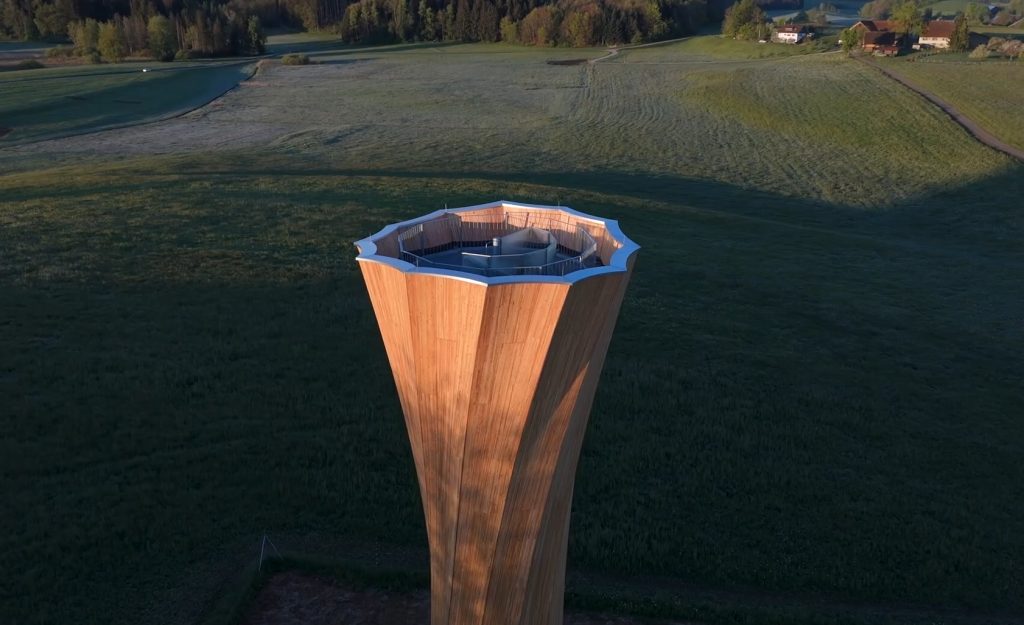
Part of the engineering magic is in how timber is layered, laminated, and protected. Proper sealing, fire‑safety measures, and structural reinforcement mean that there is no need to compromise on safety just because the material is wood. Wangen Tower pushes boundaries: it shows that mass timber isn’t a rustic novelty — it’s a valid, modern structural system. In this sense, the tower is both a prototype and a proof‑of‑concept.
Wood stores carbon — every cubic meter of wood contains carbon that would otherwise linger in the atmosphere. When structures like Wangen Tower replace concrete, the environmental impact is substantial. Less CO₂ emitted during construction, lighter loads on foundations, and often faster build times — these are real advantages. For countries concerned with sustainability, timber towers offer a path forward that doesn’t sacrifice density or functionality.
On a human scale, wooden interiors bring warmth, acoustic comfort, and aesthetic quality difficult to replicate with concrete. Imagine living or working in a high‑rise where structural elements feel natural, where thermal performance is improved, and where the sense of material honesty remains intact. In that regard, mass timber towers bridge the gap between urban living and natural sensibility — something rare in 21st‑century architecture.
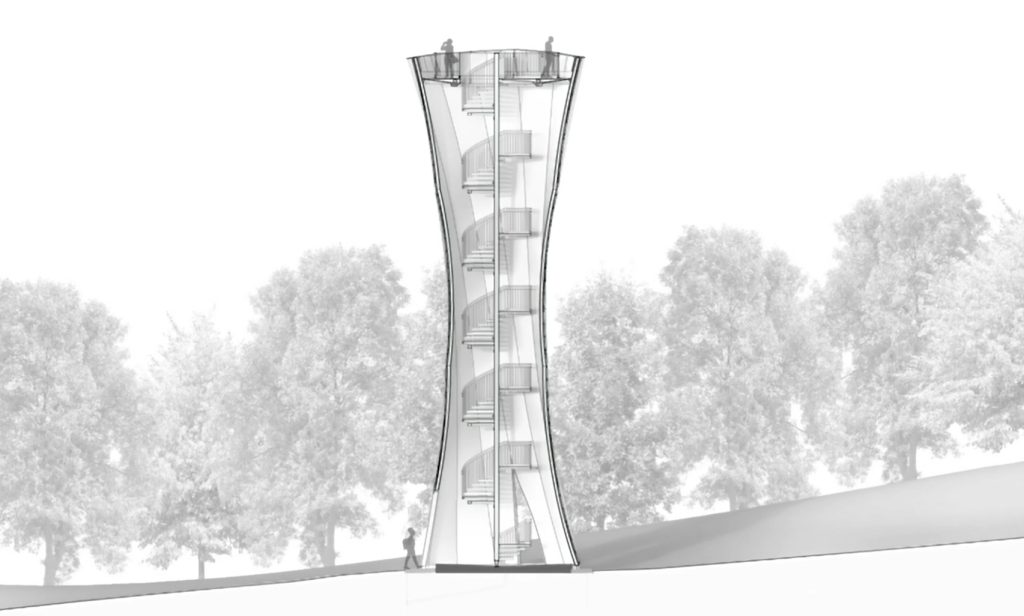
Europe is watching. Countries with strong forestry traditions and tightening environmental targets may see timber high‑rises as a blueprint for the future. For Ukraine — with its history of wooden craftsmanship and growing interest in sustainable building — Wangen Tower could be a wake‑up call. It shows that wood isn’t just for cottages or low‑rise houses anymore. It can redefine skylines.
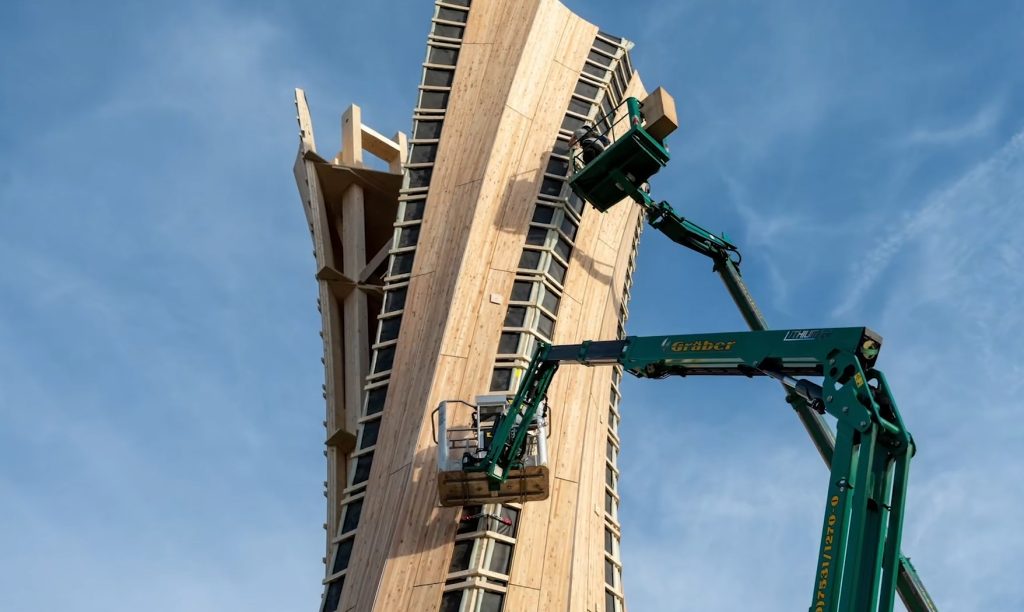
Given the economic and reconstruction challenges Ukraine faces, mass timber offers multiple advantages: lower material cost compared to steel, faster build times, reduced reliance on heavy industrial supply chains, and potential carbon‑offset benefits. For architects and designers like me, it’s an invitation to reimagine cities not as concrete jungles but as wooden ecosystems — dense, modern, yet human‑scaled.
Of course, nothing is perfect. Timber towers face skepticism: fire safety myths, regulatory hurdles, supply chain limitations, and long-term durability concerns. Many jurisdictions simply lack the updated building codes that consider engineered wood for high‑rise use. This requires both political will and technical rigor to change — not a trivial task.
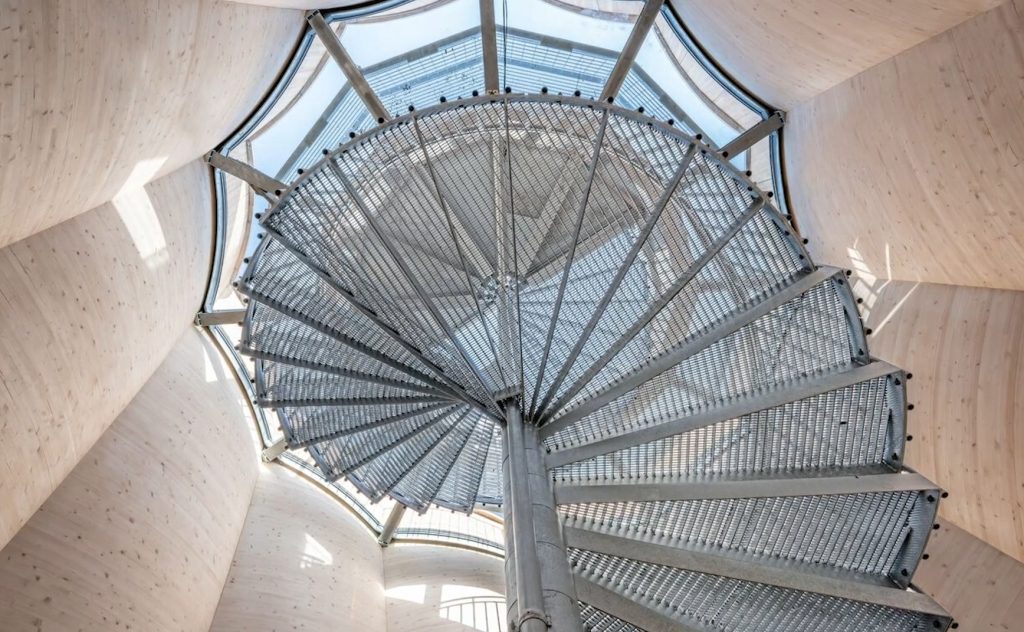
Then there’s cost. While wood can be cheaper than steel or concrete in some contexts, engineered mass timber and precision manufacturing aren’t always inexpensive. For developers used to standard materials, the switch may feel risky. And socially — convincing tenants or investors that a wooden tower is “as good as concrete” requires more than calculations. It demands trust. For Wangen Tower, that trust was earned. For others, it remains to be won.
I believe yes — but only if we act fast, pragmatically, and with open eyes. The potential is real: abundant timber resources, desire for sustainable reconstruction, and a generation of designers ready to challenge norms. What’s missing is coordination, regulation adjustments, and a willingness to experiment. Wangen Tower is a proof: such buildings can exist. They can stand. They can thrive.
If you can build a tower from wood and make it stand against the elements — you no longer ask whether wood is enough. You ask why you ever doubted.
As a designer, I see Wangen Tower not as a curiosity, but as a blueprint. A blueprint for transformation. If Ukraine wants to rebuild smarter, faster, and greener — mass timber offers an opportunity. It won’t automatically solve all problems. But it gives us a material and a mindset. And in 2025, that may be exactly what we need.